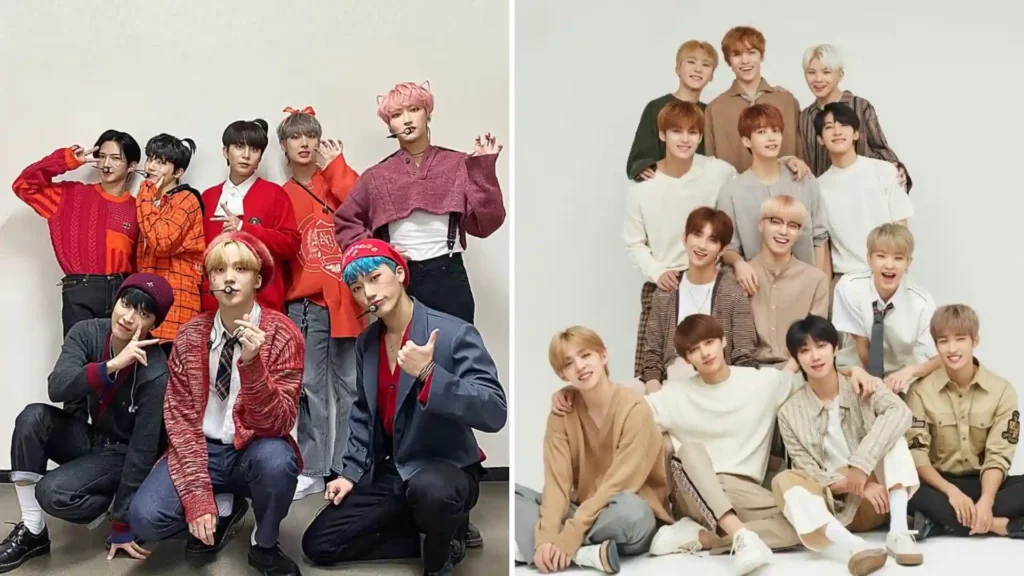
K-pop’s recognition and success always highlight its music, bands, and groups. The K-pop industry was even traditionally built to be surrounded by group culture and establish something unique for music lovers. From all the famous generational band hit groups like H.O.T. and S.E.S. to globally loved groups like BTS, BLACKPINK, TWICE, X: IN, etc., the K-pop industry always promoted teamwork, synchronized concepts, and multiple idols into one so that they could earn fandom unity. The groups were encouraged for decades by the entertainment companies, as they served as the safest commercial strategies to encourage fan engagement and generate high revenue streams.
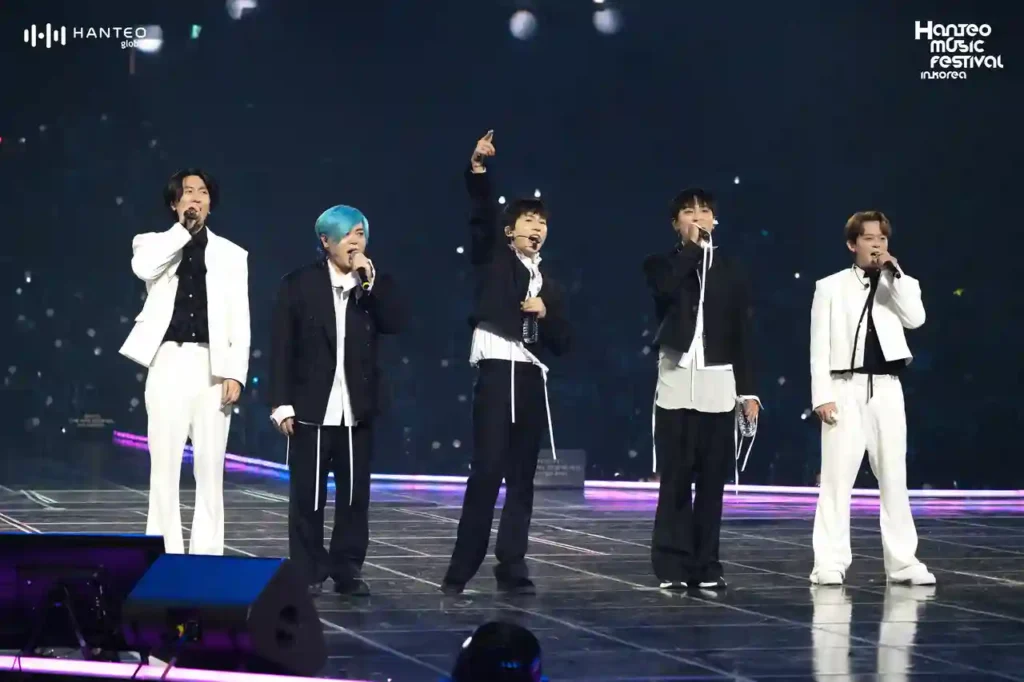
However, now the K-pop industry is well-developed, known by many around the globe, and evolving continuously. It is moving towards new approaches, marking a new phase for the idols and entertainers. Even though the power remains with K-pop groups, soloists are growing at a faster rate compared to the groups’ artists. Mostly, whoever is dominating fashion, luxury brands, social media, and charts consists mainly of K-pop soloists. Most of the viral trends revolve around solo K-pop idols. The rise and influence of such solo artists is not strategic or accidental, but it revolves around the major changes taking place in technology and digital media’s influence on idol careers and management.
Table of Contents
The Evolution of K-pop: From Group Identity to Individual Stardom
The K-pop industry was designed to be known for its concept, which was surrounded by collectivism. The first two generations of the community only had the idea of attracting people towards K-pop with cohesive groups where each idol promotes their own individuality. The groups consisted of roles for members like leader, main vocalist, visual, rapper, and dancer or dancers. K-pop expected that the perfect balance would increase the popularity of the group’s fame and attach at least one member to the audience, hence the whole group.
The goal of K-pop entertainment companies was to maintain a balance so that fans could develop into emotionally attached, loyal audiences to the group, just like products. Earlier solo artists were not given much attention by the agencies, as they were considered more like risks. The reason was simple: many solo artists had prominent and permanent places in the Western pop markets, so why would the audience come and listen to K-pop, which is newly developed and seeks validation globally?
Even industries prohibit group members’ individual activities so that they can prevent group imbalance, internal conflicts, or disbandment issues if one of the members becomes “too famous.” For the same reason, individual activities were limited or completely rejected during the early years of the groups, i.e., the period where agencies earn maximum profits for themselves with groups.
The group system was effective and efficient for the industry’s rise, as many loved groups like TVXQ, Girls’ Generation, BIGBANG, etc. were given importance, and the members were equally loved. For their fans, all the group members were equal, due to which the group loyalty among the members became stronger, and even the fandom culture was promoted.
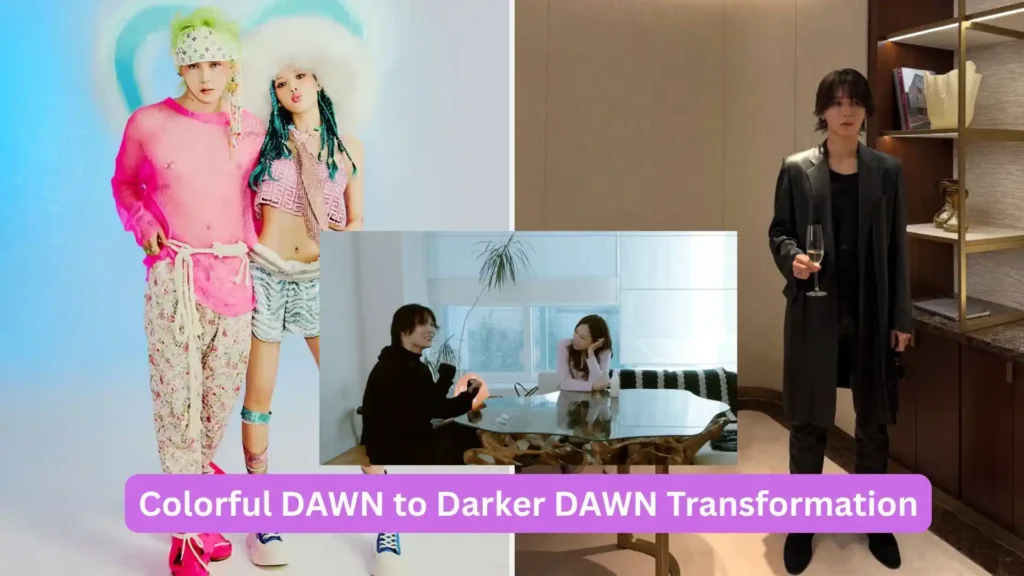
After K-pop agencies debuted their recent groups in the digital era, signs of solo activities and individual branding rose prominently. All the artists were asked to stay consistent with livestreams and post their daily lives on digital platforms so they can keep the audience busy with them. This encouraged individuality, and many idols like G-Dragon and Taeyeon came to be known for their solo popularity despite having successful and famous groups with global reach.
For You: Why K-pop Succeeded Globally While J-pop Struggled Internationally
Till the formation of third and fourth generation K-pop groups, the transformation towards the solo artist system grew dramatically. This was the point when the entertainment countries realized individual popularity is actually beneficial for the groups, as it expanded the groups. So, the companies started encouraging individuality instead of suppressing it. One prominent example includes BLACKPINK and its strategic move to individual branding. Each member in the group had their own distinct public identity.
- Jennie was promoted in the fields of luxury fashion and trendsetting.
- Rose was indulged in an emotional musical image that centers on the fields of artistry and vocals.
- Jisoo promoted acting and luxury brand partnerships.
- Lisa was indulged in dance performances and global social media virality.
What made the group successful was each member’s individuality, which attracted multiple audiences towards the members in each demographic field. Similarly, BTS also used a similar trick and became one of the strongest K-pop groups of the time, which is still highlighted for its legacy. Jungkook was the main lead in mainstream pop music’s appeal; RM promoted intellectual artistry; Jimin became known for his performance glamour and elegance, while SUGA was highlighted for production and songwriting.
The transformation of K-pop’s approach from group branding to solo branding opened new doors for the industry and even escalated cultural influences. The fans were highly into valuing authenticity, individuality, and storytelling, and wanted to understand them as unique personalities rather than a full system consisting of members. This is the reason why the K-pop industry has started publishing, promoting, and influencing individual idols more.
Digital Entertainment Platform and the Rise of Personal Idol Branding
Social media apps and other developing digital platforms have totally transformed the celebrity culture, and there’s no doubt how quickly K-pop has adapted to ruling the entertainment industry. In every change, transition, or evolution, K-pop is always at the forefront to notice and adapt it; this is the reason why K-pop has been on top of the industrial charts, whether it be music, beauty, fashion, entertainment, technology, or so on.
As social media platforms like Instagram, TikTok, YouTube, and Twitter were engaging enormous numbers of people in their use, the idols were quickly exposed to the digital platforms so that they could interact with fanbases and quickly make their existence notable. Also, through interactional mediums like TV, radios, fan meetings, and broadcasts, the idols’ real personalities always remained hidden because everything was always controlled by their entertainment companies.
Through a consistent presence and online interaction, the fans could now directly communicate and understand the artists more deeply. This direct connection between fans and idols helped the individuals gain hundreds of thousands of followers instantly and develop an emotional bond with them. With this individual idol, branding was intensified, and the soloists’ trend became powerful as well. But how do soloists thrive on social media platforms where millions of people struggle to gain validation and hype themselves up?
For You: The BTS Phenomenon: Strategy, Storytelling, and Global Domination
The answer is simple: social media algorithms. It is simple to analyze that social media always encourages and rewards personalities rather than idols who work as a team. Individuals can easily work and attract emotional fan engagement, relatability, and interactions according to themselves or based on their fans’ availability. Algorithms notice and prioritise such content. Let’s break it into examples to make it simpler. If someone is always curious about K-pop fashion, brands, and luxury items or wants to look out for recent trends, they would always keep them updated with Jennie, as she often creates viral trends.
On the other hand, if someone is interested in artistic content related to literature, museums, and intellectual topics, it is natural for them to find RM their favorite and follow him. As a result, their content is more distributed globally, and as their content reaches a wide audience, more people with similar interests join them and their page. Such engagement creates a huge amount of fan communities promoting the idols and their individuality more.
In comparison, the group’s official pages would not always have such a huge engagement because it is about every member of the group. What might feel like an engaging personality of an idol to one person in the audience would not be engaging to another. The parasocial relationships that the fans develop play an important role in fueling the soloists’ era.
“Parasocial relationship” is a term that is used to represent one-sided emotional attachment to someone with whom you can personally feel connected, even if there’s no real-life relationship with them. The individual artists were quick to make the audience feel emotionally attached to their respective fields, which naturally created an illusion for fans of personal closeness with the idols.
The reason for their boost through digital platforms was the solo content that they produced and provided consistently. The solo content emulsifies idols’ effect on their fans, as they can notice every single thing, like emotions, schedules, traits, dos and don’ts, that were related to idols’ profession and their interest. And what makes the artists more interesting is that they are no longer attached to a single field, music; instead, they are also side hustlers in lifestyle influencing, fashion bloggers, beauty icons, motivational figures, and so on.
For You: Mental Health Crisis in the K-pop Community: The Dark Side of The K-pop Industry
This also pushes beauty brands to approach K-pop soloists to offer them to work with them while benefiting them with low investment as compared to the investment they have to make in order to feature a group for themselves. Followers, engagement rates, virality, brand reputation, and solo idol culture hyped the statistics and encouraged more soloists to take risks and enter the K-pop industry. And the audience really loves to see them as well.
Why Fans Are Connecting More Deeply With Individual Idols
Through the rise of individual personalities, the emotional structure between idols and fans has evolved. During the beginning of the global rise of the K-pop industry, the audience mainly appreciated collectivism. The full groups held importance and gained support from fans through album purchases, fan chants, streaming projects, and voting campaigns as well. The culture continues, but the modern audience is mainly interested in watching behavior surrounding an individual. The following are some main reasons for this shift that took place in modern fandom engagement:
- DIGITAL PLATFORMS: Through social media, the fans could selectively consume whatever they wished, and now they were not forced to watch all the group members to engage and interact with them. Also, digital entertainment platforms rewarded member-focused ecosystems.
- RELATABILITY AND AUTHENTICITY: What the audience really appreciated was relatability, reality, and authenticity. Fans naturally liked and wanted to follow those idols individually who resonated with their personal tastes, struggles, and emotions. Group promotions were thus not considered effective.
- GLOBALIZATION: Another important factor for the change in the narrative of the modern fandom is globalization. The international audience did not know much about groups and K-pop idol culture; they discovered the idols individually through viral moments and traditional fandom structures. So while someone was interested in watching dance performances, others were interested in fashion campaigns, TikTok trends, and drama appearances that boosted solo personalities more.
- FANDOM CULTURE: With the rise of fandom, followed by fandom culture, that has the same participation in raising the soloists. Fanbases mainly focused on individual performances and solo idols’ videos while they were on stage. This escalated member-specific popularity and awareness about individuals and their charisma.
Solo individual branding provided more material for discussions and debates as fans used to enjoy analyzing idols, their personal aesthetics, and playlists. No doubt the groups were supported and encouraged for good, but fans were emotionally invested in individual idols deeply. They wanted K-pop to work as it does and maintain the balance.
For You: How Visual Aesthetics Shape the K-pop Industry and K-pop Idols
The Business Strategy Behind Solo Debuts and Individual Branding
The entertainment agencies are not encouraging soloists or individual branding, as it prevents them from earning profits. The companies want to participate and build a strategy around individual branding so they can also share with soloists. The K-pop communities are taking several initiatives so they can design a long-term profitable system around the concept.
Soloists can earn huge revenue through streams, promotions, and individual brand partnerships independently through sources like streaming revenue, acting projects, fashion partnerships, festival appearances, and brand endorsements. This clearly reduces the opportunities, events, collaborations, and partnerships offered to the groups and thus their agencies, as well as the profit that they used to earn for themselves.
These approaches feared that the agencies could result in instability of the group-centered business models during earlier generations of the K-pop industry. Even when the group became inactive for military enlistments, contract disputes, or other issues, individuals started to generate revenue. So, in order to prevent their own loss, the K-pop communities decided to begin a new system where they themselves built individual branding years before their solo debuts.
Before the groups or individuals debuted, the audience started recognizing which members would receive acting opportunities; participate in songwriting camps, fashion launches, and other shows, including dance content. For the audience, it was engaging, but for the idols, the agencies once again thought and reworked the K-pop for their own good, leaving the idols dependent on them again.
Luxury Fashion, Global Branding, and the Soloist Boom
Luxury fashion and branding are important factors that have hastened the growth of soloists. From the beginning, South Korea has been known for its cosmetics, fashion, luxuries, food products, and customer services. What limited it was the accurate medium through which such concepts could be encouraged, and as the K-pop soloists started to gain recognition, idols were hired to work inside and encourage the global luxury economy.
Fashion houses already knew the powerful marketing strategies of K-pop fandom, so they wanted Korean individual idols for their brands to increase their importance worldwide. Today, most of the influential celebrity ambassadors in the world would be Koreans. Even K-pop has multiple personalities within its industry; for the brands, it was useful, as luxury branding always works well with solo identity and personal image.
Like, Jennie is associated with Chanel, Lisa with Celine, Rosé with Saint Laurent, Jisoo with Dior, etc. The collaborations between individual idols and brands strengthened solo visibility and transformed the way audiences perceive global cultural icons. This deepened the relationship between solo careers and partnerships.
For You: BlackPink Jisoo’s Brother Kim Jung Hoon Controversy: All That You Need To Know
The Future of K-pop: Will Soloists Surpass Groups?
K-pop groups are not going anywhere, as the groups are the main foundation of the industry and why it gained its recognition. The groups are responsible for the development of strong fandoms, performances, and the attraction of branding opportunities. But the solo idol careers are becoming more important even before the actual debut of the selected members, as the popularity of one single member can emulsify or destroy the group’s identity.
The upcoming K-pop idol systems would be totally based on hybrid branding; the groups will be responsible for establishing initial visibility, whereas individuals will be responsible for driving sustainability and serving as an assurance for consistent revenue generation. Now, the trainee system encourages the idols to look after personal aesthetics, fashion identities, and social media presence more, rather than polishing all their skills strictly. Globalization has strengthened the solo system more than traditional methods ever did.
Conclusion: New Era of K-pop Soloists
The rise of soloists and individual branding has resulted in the creation of new opportunities, but several challenges for the idols and fandoms are also increasing. The fandom is now divided; soloists are leaving groups as they prioritize individual success over the group’s unity, huge pressure is being imposed on idols as the expectations on them are increasing, the audience has started valuing influencers more than musicians or musical artistry, scandals and mental health issues are rising, and so on.
While soloists represent the most important transformations of the Korean pop music industry, no one can assume whether it will be worth enough or not. Modern audiences wish to interact with idols more than recognize them as members of a particular team. Entertainment industries have quickly noticed and adopted similar changes so that their profits could increase and they still continue to rule the idols to keep them under them and earn income on their basis. However, the growth and rise of soloists do not indicate the end of group culture, as the groups are still hyped the same way fans hype their favorite individuals. Also, this marks the expansion of the K-pop industry in shaping its future.
Frequently Asked Questions
Why are K-pop groups more popular than soloists?
K-pop groups are more popular than soloists because groups offer a variety of talents and personalities to fall in love with. The more people there are in a group, the more they fill up the stage, which makes for more interesting and engaging performances as opposed to soloists. A soloist may have a strong voice but may not have mediocre dancing skills.
What is the no. 1 K-pop rule?
In the K-pop community, “Rule Number 1” is an unwritten and lighthearted fan law that states: Never fall in love with your bias. This is because the chances of dating an idol are slim to none; fans joke that following this rule prevents heartbreak.
What makes KATSEYE not K-pop?
While KATSEYE’s origins lie in a partnership between the South Korean company HYBE Corp. and the American music label Geffen Records, the group uses the K-pop training system, but it is culturally diverse, sings mainly in English, and aims to connect with a global audience.
Why are solo artists more popular than bands now?
Solo artists have a clearer separation between their creative, business, and personal relationships. They can maintain a business model that doesn’t necessarily rely on the consistent commitment of three, four, or five people, and so they are more popular.
Is Big Bang or BTS more popular?
BTS is significantly more popular globally, dominating international music charts, stadium tours, and digital streaming numbers. However, BigBang still maintains immense legendary status and legacy as the pioneers who shaped modern K-pop and opened global markets so that K-pop could engage international audiences with the domestic audiences.