It has been really interesting to watch how the success of the K-pop industry has transformed from local or regional areas to the whole world. Even to this date, the industry is known globally and continues to attract more and more people. Groups like BTS, BLACKPINK, TWICE, etc., made a straight transition into billion-dollar global phenomena. The idols of the K-pop industry broke many records, reinforced international recognition, and attracted billions of people through their fashion and charisma that they carry with themselves.
The flawless, energetic performances, polished visuals, choreographies, and curated personalities are all admired by the fans. But if we talk about K-Pop idols, we cannot guarantee whether they are completely satisfied or happy with the life they have developed over the years of hard work and dedication. Behind the glamour is mental and emotional pressure, the expectations carried out by their fans and agency, with their growth, anxiety, depression, and emotional instability also rising.
Table of Contents
The Trainee System: Psychological Pressure In The K-pop
Before debuting, the idols in the K-pop community spend their years as trainees to develop their foundation. These idols enter the industry from a very young age, probably childhood or early adolescence, to begin their training journey. The entertainment companies screen and select from various performers between 5 and 16 years old. The selected interviewees are recruited as trainees with a legal contract, which is signed mutually. The contract is a long-term agreement specifying a proper 7-10 year period for idols’ training to set them up for the debut and the next minimum 7 years to work with their agencies.
In the training, all pre-debut idols live together under the agency. The trainees are given extensive daily practice sessions to enhance their skills in dance, singing, vocals, learning multiple languages, and so on. These programs last for 14-15 hours per day. Since pre-debut idols are teenagers who are still developing at the time of training, the environment surrounding them that demands them to be “perfect” can create psychological stress. A proper figure, idealized weight, polished appearance, clean image, and highly talented idols are some of the expectations of the higher authorities.
They even provide diet plans and skin care routines so they can meet expectations. After a month or two, evaluations determine if the trainee can continue with the agency or not. Before the idols can actually come out of their teens, they are exposed to adult-level pressure about success, career, and psychic validation. Even their education, friendships, and other personal experiences are often affected. The costs surrounding the living, training sessions, and personal expenses of the trainees are all provided by the agencies, which becomes a debt. The debt is then supposed to be paid by the idols after their debut, and the one who fails to do so faces high debts and legal lawsuits.
Despite the luxuries, bullying, strict schedules, and enforced diets that they face, which raises basic human rights concerns. No artist in K-pop can earn sufficient profit for 7-8 years, as 70-85% of the revenue is taken by the company, and the rest, after deducting expenses, is given to them. The high costs make sure idols are left with nothing. Apart from emotional and financial pressure, uncertainty plays a crucial role in affecting the mental health of the idols.
For You: BlackPink Jisoo’s Brother Kim Jung Hoon Controversy: All That You Need To Know
Online Culture: Cyberbullying, Online Hate, and Social Media Pressure
Social media has amplified to such an extent that today K-pop has become a global cultural industry, rather than just a music genre. Apart from its key role in raising the industry, social media has also damaged the mental health of many idols due to the nonstop online criticism that they have to face.
The K-pop industry thrives on constant fan interactions, and unlike Western idols, K-pop artists maintain a close relationship with their fans by using various online platforms. Through live streams, their daily life updates, travel images, and online community, they try to strengthen their bond with the fans. This means that through social media, idols are always under the public eye, permanently exposed to public judgment. Every detail of their life is noted by the fans and other forum sites, including their appearance, personality, public sightings, friendships, fashion choices, and facial expressions.
It is of unique importance to understand that all individuals react to different things that they see online on the basis of their own set of beliefs; that means something that feels normal to post to an idol may not be liked by others. Or sometimes, when idols don’t react to rumors, many find it suspicious from their side, and they start doubting them. Even a single slip taken out of context and shaped into a different narrative quickly spreads all over social media platforms. As a result, the netizens and critics often generate hate campaigns within a few hours of the published news. Eventually, cyberbullying has become a major issue that needs to be resolved in the K-pop industry.
Female idols often face criticism for their beauty standards, fabricated dating rumors, and public behavior. Some receive misogynistic criticism as well. Online harassment can have a deep emotional impact when a continuous backlash surfaces from thousands or even millions of audience members. It even creates psychological pressure, anxiety issues, and depression, leaving an everlasting influence on the mental health of the idol.
Even the developing fandom communities are enough to defend K-pop idols, fan wars and rivalry between fandoms can also lead to harassment while targeting a particular artist. Seeing trending hashtags, edited videos, escalating rumors, and mass criticism causes controversies that keep the power to damage the future careers of the performers.
For You: Slave Contract: TVXQ and SM Entertainment Lawsuit
Another layer of stress affecting idols’ mental health comprises parasocial relationships that make the situation more complicated. Fans always feel emotionally connected to their favorite idols due to online interactions. This is what creates immense pressure on the artist to constantly appear for their fans and be emotionally available in a “perfect way” such that they don’t harm the feelings of others and cope with their strict and overloading schedules. Cyberbullying or online criticism is not a normal thing, as it has affected many performers in the K-pop community in such a way that the only way they thought to rescue themselves from online drama was to attempt suicide.
Intense Schedules: Burnout, Exhaustion, and the Culture of Overwork
The struggle of K-pop idols does not end even after the K-pop trainee system but continues after it is over. After officially debuting, K-pop idols face more challenges. Now they have one more thing to stress upon, that is hectic schedules, which demand consistent rehearsal, practicing, performance, travelling, and promotion activities.
Just like the trainee system, the structure of K-pop also demands an extreme workload routine for the idol. The polished performances, engaging choreography, and public images of the idols, which are full of glam, come from a relentless routine in which idols are expected to perform at their best. As the idols grow, their schedules become more complex and intense. The comeback period is even more tiring, where the artist spends an entire day on activities like filming, music video production, rehearsals, appearing on music shows, practicing choreography, and so on, which often continue till late in the night.
As per the reports, many idols sleep only for a few hours during the promotional cycle. The artists are burdened with the competitive nature of the K-pop industry that causes them to burn out and remain consistent in order to maintain their image. These activities are further followed up by being active on social media platforms and remaining physically fit, which is a never-ending process.
They lack basic sleep hours due to their work, which causes mental burnout and physical fatigue. The agencies behind them need to understand that not only is physical health important, but mental health is also equally important in one’s life. Burnout, exhaustion, and a culture of overworking leave little room for celebrities to recover emotionally, which escalates the pressure.
Even if the idol’s demand rests on injuries, illness, anxiety, or emotional distress, the agencies reject their ideas, the reason being that it would affect group schedule, company investment, and group dynamics. Over the years, the same reason has caused many controversies and debates surrounding the concern for idols and their mental health issues. As a result, hiatus announcements became common in K-pop communities.
Famous groups like BTS, SEVENTEEN, and TWICE have also spoken about mental health issues regarding a major difficulty in handling and balancing fame with personal well-being. Even fans are equally answerable for such issues, who often unintentionally contribute to the overwork culture. They demand new music videos constantly, live interactions, and daily content. Even what the audience likes and praises is the nonstop visibility of the artists and their contribution to the K-pop industry.
Beauty Standards, Perfection Culture, and Emotional Insecurity
According to Korean forums and insiders, during the trainee period, idols are not only guided in activities like singing and dancing but also groomed to fit into a specific visual standard through various methods. Even Korean entertainment has been the most powerful force in shaping modern beauty standards both within Korea and internationally.
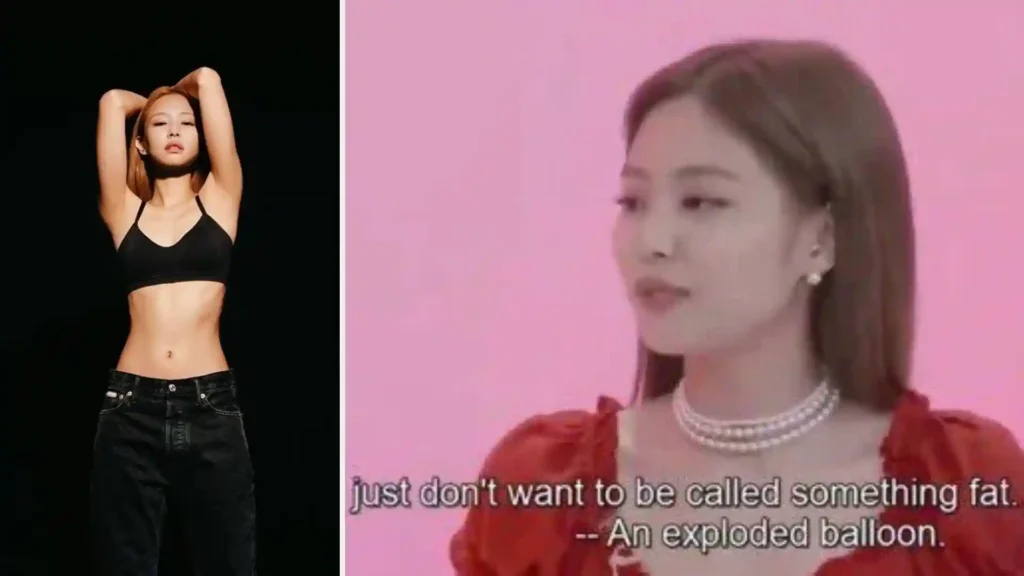
Idols who do not have these features are often pressured or forced to achieve them so they can work in the industry. Appearance and aesthetics play an important role in the K-pop industry as a method of global engagement. Societal pressure to fit into these so-called “aesthetic beauty standards” is intense, as reflected in the experiences of idols like Hwasa from Mamamoo, who was criticized for her appearance, being called “fat” and not “pretty,” despite her great talent.
If the idols don’t look like others or have different beauty standards compared to their genders, they are often asked for plastic surgeries or treatments that could make them applicable to work in the entertainment industry. Most companies track the weight of trainees daily, and if someone weighs “too much,” they have to undergo extreme diets so they can lose extensive amounts of weight in a short amount of time.
The constant pressure of idols to succeed is always linked to dangerous physical expectations, like weight fluctuations, skin texture, hairstyles, fashion choices, and specific facial features. Often, for artists who face criticism from fans or their agencies, this becomes a major concern related to their self-esteem and confidence. The physical beauty standards can also impact emotionally, leading to constant comparison and self-doubt.
Next comes an extreme diet, which many idols have openly shared about, making this diet culture a crucial topic to talk about. The idols are given a small quantity of food or no food during their trainee period or even afterwards. Even though the companies have shared that the health of their artists would be their first priority, the unrealistic body standards still continue to influence the idol culture till now.
In one of her interviews, Hirai Momo shared about her experience before getting debuted, where she disclosed she was forced to stay hungry for an entire week and was only allowed to eat ice. Fans have contributed to many controversial debates related to the same topic to criticize the agencies, so that the diet culture can be improved. But at the same time, the audience is also seen criticizing the idols’ longing to fit into the industry.
For the younger idols, it can be a major struggle to cope with identity formation and fulfill the beauty demands. Despite huge support from the fandom, the ideal body shape and unrealistic standards are deeply rooted in the K-pop industry. Mental health issues are increasing in the industry, and one main reason includes the pressure among idols to stay fit and well-groomed so they can attract more opportunities and become powerful.
For You: Babymonster Ahyeon Diet Shocks Netizens
The Future of Mental Health Awareness in the K-pop Community
Despite all such happenings, major concerns related to mental health issues are growing in a meaningful way in the K-pop community. Over the years, idols have been appearing more transparent in their communication with the audience. Topics, just like mental health, which were often considered taboo, are now openly and clearly discussed by many idols and agencies of K-pop.
Many years ago, mental health issues were not common and were not considered of as much importance in the industry. But due to continuous anxiety, burnouts, and emotional pressure, serious issues related to psychological and mental health shifted the narrative. Not only has it made the fans concerned about the idol, but this approach of the idol to openly share has evolved the way entertainment companies view the artist.
The companies are now genuinely helping the idols by providing them rest, comfortable routines, and hiatuses. Even the younger generations are being provided with an open and clear method to view and handle such situations. The fandoms are now more worried about artists. The ones who used to crave consistent idols’ efforts and livestreams are now craving for their emotional well-being, healthier schedules, and privacy while accepting the fact that they cannot always be available. Fans now understand the fact that idols are not superhuman beings and require equal privacy, boundaries, and freedom as they do.
Even the development of stronger moderation systems and anti-malicious-comment methods has reduced cyberbullying, giving the idols room to breathe freely online. The harassment and fake rumors, which often stress the idols, are now being responded to by the company’s management team, and even this team has ensured that any fake or fabricated news that harms idols’ mental health or image would always be responded to with legal actions.
The media have always impacted the way news goes out and becomes a rumor, pointing the idols to be rude and devilish. Now, the audience does not stay silent and believes whatever is fed to them. Fans are continuously pushing and breaking all the required barriers in order to ensure proper wellness. The need for and acceptance of particular beauty standards of males and females still remains one of the major concerns of the time, but hopefully, idols are expected to come out and break their silence by honestly sharing their views on the topic as the industry is normalizing more healthy and transparent conversations related to well-being.
For You: You Gain a Lot of Weight: Fans Slammed Red Velvet Seulgi for Weight Gain
Understanding The Human Mind’s Cost Behind K-pop’s Perfection
The escalating story of K-pop has arguably become one of the most unbelievable success stories in entertainment. In a few years, the k-pop indutry establishes itself as one of the biggest influences not only in its neighbouring countries but worldwide. But the mental health issues among the idols are escalating a lot. From the severe and strict long-term training systems and online harassment to overwork, unhealthy body image, and emotional exhaustion, various aspects of idol culture have contributed to this serious problem.
In addition, many aspiring young artists are encouraged to give up their privacy, freedom of expression, and opportunity for personal development in favor of constructed public personas; social media has only amplified these challenges by providing idols with even greater public scrutiny. Fandom culture also creates emotional burdens and a need for unrealistic expectations for idols.
Every individual’s experience with mental health issues is different, with a host of societal pressures specific to Korean society, such as academic pressure, the workplace, standards of beauty, and stigma surrounding mental illness; the K-pop world is linked to the wider Korean world. Of late, it’s become apparent that the idols and trainees have begun expressing their struggles with anxiety, depression, and burnout more often; companies have been much more willing to accommodate mental health leave/hiatus. Worldwide K-pop fans are also demanding better treatment for idols and healthy communication on the internet, as it is possible. At the core, the sustainability and human aspect of K-pop, as well as its future, is directly linked to its global reach and profitability.
Idols are not just fantasy objects or products, and their emotional health issues cannot be reduced to the notion of them as an artificial construct. The artists are humans, carrying and managing huge emotional loads in front of millions of people, and treating them as humans, not commodities or fictional personas, is paramount for the future of K-pop entertainment. With an increasing volume of international fans, media outlets, and consumers being drawn to the K-pop universe, the need for supportive environments in which physical and mental health is given the same priority as commercial success is growing.
Frequently Asked Questions
Is K-pop good for mental health?
K-pop is not considered universally good or bad for mental health; its impact often depends on individual engagement and context. As per the reports, for many, it provides connection, creativity, and healing. For others, it can become overwhelming when perfectionism, comparison, or obsession take over.
How do Koreans view mental health?
It is said by highly reputable Korean doctors that Confucian culture emphasizes individual will and self-discipline, which creates a social prejudice against mental health. Traditional Confucian ideals state that mental illnesses or disorders are meant to be tolerated, not treated.
Which K-pop star has OCD?
Several K-pop idols, like DPR Ian, Taeyeon, Hyuna, etc., have openly discussed their struggles with mental health, including Obsessive-Compulsive Disorder (OCD), to raise awareness and reduce stigma. The most prominent example is BTS member SUGA, who has publicly spoken about battling depression, social anxiety, and OCD.
Why isn’t KATSEYE K-pop?
KATSEYE did not debut in South Korea. Unlike the other overseas K-pop trainees, they did not take training in the Korean language and culture for years before their debut. Also, they are not learning to assimilate into Korean idol culture.
Is depression high in Korea?
An analysis of 2025, of 26,822 participants (aged >18), revealed a decreasing prevalence of depression from 2014 to 2022. The crude rate declined from 69.52 per 1,000 in 2014 to 51.39 in 2022, with age-standardized rates dropping from 61.89 to 51.77 per 1,000.