In this ever-evolving music industry, K-pop has become a well-known name worldwide and has mastered it like no one else. Whether it be a viral dance challenge, high-energy live stage performances, or record-breaking YouTube views, the K-pop groups have dominated the industry, leaving certain songs behind. These groups illustrate the structural evolution of a multi-billion-dollar global industry shaped by various metrics. The top 50 K-pop groups of all time are not only ranked by popularity but are represented by various methods like the idol training system, cultural export strategies of branding, and much more, which have proven to transform South Korean music into something worldwide.

Table of Contents
Just like other K-pop groups, these also include artists and products of a highly engineered ecosystem, but what sets them apart is their performance, personality, and narrative, which allows them to hold a strong place globally and influence others. From first-generation idols who laid the real groundwork to fourth- and fifth-generation icons known for their digital virality, each group on the list, highlighting the top 50 K-pop groups of all time, reflects a critical phase in the expansion of the K-pop industry and the dominance they have earned.
The Architectural Blueprint of K-pop: Generations, Systems, and Global Strategy
Before diving deep into each of the groups, it is important to understand why all these 50 groups matter a lot in the K-pop industry. For this purpose, you need to step beyond the surface-level success of the groups and also identify the industrial design of K-pop itself. In Western pop culture, the industry revolves around individual artistry. K-pop, unlike Western pop industries, boasts a systematic structure that relies on long-term training, global market targeting, and, most importantly, concept engineering.
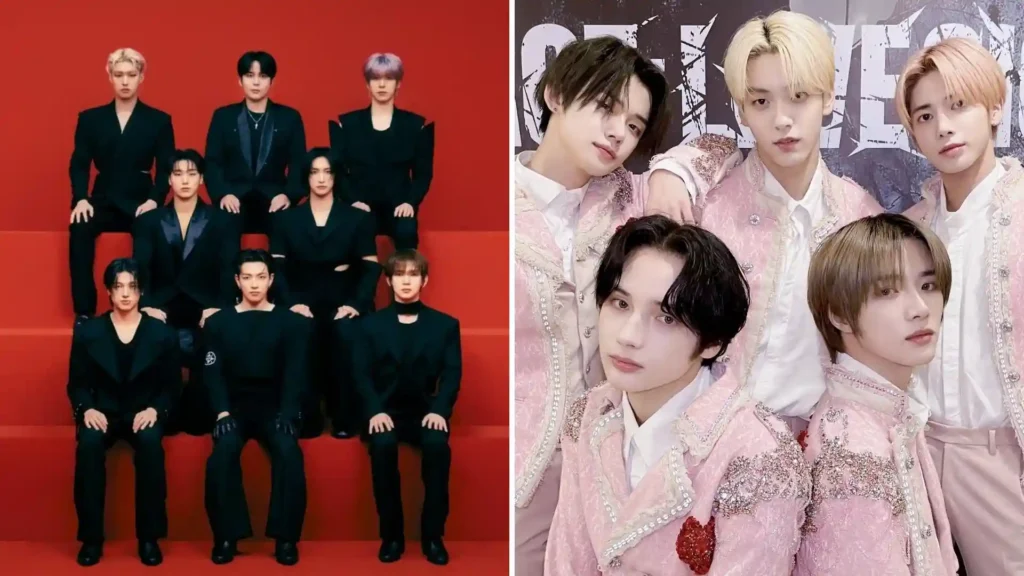
- The first generation of K-pop, from the 1990s to the early 2000s, was more about the prototype phase. Many groups that arose are known for the introduction of the idol system into the industry, where all the performers were trained to sing, dance, handle good media presence, and engage in proper fan interaction. At this time, the entertainment agencies were recognizing accurate export potential for Korean pop culture, which later came to be known as the Hallyu Wave. This era was all about global domination rather than establishing a domestic blueprint worldwide.
- The second generation marks the first expansion phase of the K-pop industry, which, with the rise of digital platforms and the early social media era, became successful in reaching audiences across Asia, mainly in Japan and China. As the agencies’ strategies became sharper, the group started producing multilingual content, adapting concepts to engage an international audience, and organizing overseas tours, carrying cultural narratives that can resonate with audiences across borders.
- After the third generation emerged, it became an inflection point for global K-pop dominance. Due to the explosion of YouTube, Twitter, and other streaming platforms, the geographical barriers collapsed, which became perfect timing for strategic storytelling planning, engagement, and authenticity. Now the groups could debut in Seoul and gain fans in Los Angeles within hours, among which BTS holds a prominent place.
- With the fourth generation came hyperdigital optimization, where the algorithm, TikTok virality, and global fandom play a central role. This generation developed more experimental concepts, influenced by AI, virtual reality, and civilized storytelling. Music is not just designed to be heard but to be shared, remixed, resonated, and performed.
- Today, the K-pop industry witnesses something more complex as the fifth generation begins. Now K-pop is seen as a globalized system, not just Korean-exported music, where members are increasingly seen gaining international fame and promotion from multi-platforms and are measured globally by reviews.
For You: Top 10 BTS Moments Fans Still Talk About
Despite offering different values, what truly holds all these generations together is K-pop’s proper industrial training system, where models and idols undergo years of preparation before their actual debut. The system ensures adaptability, consistency, and a lot of hard work. Apart from the success it ensures, this trainee system also raises questions about artistic freedom, mental health, and the balance between professional and personal life, which are of the utmost importance for every individual. The list being discussed below includes the groups that are not just successful but actual products and shapers of this evolving system, contributing to the proper functioning of K-pop today.
Ranking Criteria: True Metrics
What really defines success for K-pop idols? Is it just popularity, album sales, or YouTube views? Not exactly. While those numbers do play a role, they don’t tell the full story. Creating a list of the top 50 K-pop groups isn’t simply about counting streams or measuring fame; it’s about looking beyond the surface. For measuring the true impact of these groups, we need a multi-dimensional framework that can reflect both artistic and industrial impact beyond just popularity.
Despite not having the highest sales, some groups act like trendsetters, influencing not just their fans but also other artists and companies due to their ability to redefine the trend. This highlights the cultural influence of groups. And other self-producing idols that keep the courage to reshape the entire industry.
Scoring and ranking in K-pop: How is it done? Are critical analyses included in the equation?
by u/Bantay_Bagyo_0906 in kpopthoughts
The second metric is about longevity and consistency. As we know, the K-pop industry is ever-evolving and is known for rapid turnover, in which staying and holding a strong place for years or decades is a major achievement. This demonstrates the power of a group to adapt as the tastes of people change and as technologies emerge. Longevity, consistency, and adaptability hold as much importance as initial success.
A group should have the ability to connect and resonate with audiences worldwide. This perspective talks about global reach as the identity of the K-pop industry is reaching international platforms. Apart from getting included in chart performance, international tours, and other cross-cultural collaborations, many groups have majorly influenced fashion and online trends globally as well, which makes them unique from other groups.
As a common pattern observed in K-pop groups, those who keep experimenting with sounds, visuals, or different storytelling techniques successfully push themselves ahead in the industry as they keep reinventing and believing in innovation. Making and working with virtual avatars, creating cinematic shots and visuals, reading albums, and innovating structures are key factors in their ranking.
For You: How BLACKPINK Became a Global Fashion Powerhouse
Next comes fandom power and industry influence. K-pop fan bases are highly organized and deeply engaged, which leads to group success. It is all about how effectively a group keeps its fan base engaged. Other groups are also seen reshaping the system by changing how the companies operate. This includes the changes in contract structures, marketing strategies, and other global partnerships, which allow the group to succeed within the system.
When these key factors are combined, they help us look beyond just surface-level metrics and numbers. They give a clearer picture of a group’s real growth, impact, and journey over time, allowing us to truly understand and capture the legacy each group has built.
Top Tier: Global Legends (1-10)
The following top 10 groups from the list, regarded as global legends, are not just successful for their music but also for being the foundation of the pillars of this modern pop industry.
BTS

Debuted in 2013 under Big Hit Entertainment, BTS became one of the most influential K-pop groups in history through its cultural and commercial success. The group distinguishes itself from all others through its unique storytelling technique and resonating things, which it shares through music and performances. The group engages its fans consistently as it stays active on social media platforms. Their album sales broke global records, and they also hit the Billboard Hot 100 No. 1, opening the doors of K-pop in the Western market.
BIGBANG
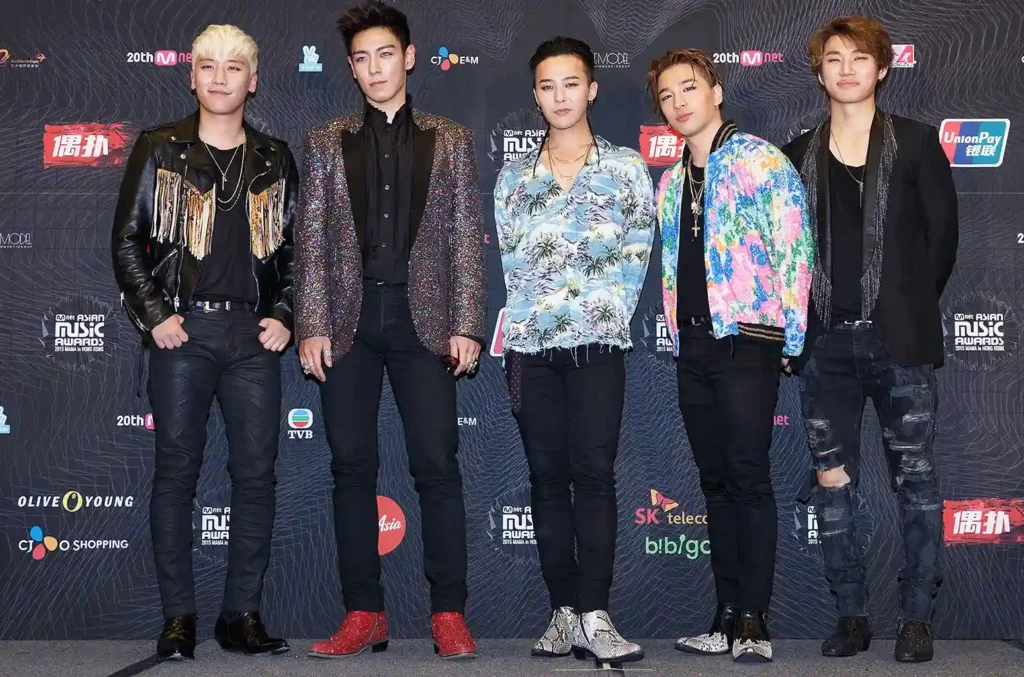
BIGBANG is known for introducing artistic individuality within the idol system. The group was formed in 2006 under YG Entertainment. What made them stand out was their passionate involvement in songwriting and production, which was driven by the group’s leader, G-Dragon. Through its stage presence, it set new performance standards for the industry, while its hits like “Fantastic Baby” and “Bang Bang Bang” became global anthems. Even though the group has faced many controversies and hiatuses, its legacy remains intact due to its artistic credibility.
For You: The Most Controversial K-pop Moments That Fans Still Debate
BLACKPINK

The next group in the list of the top 50 K-pop groups includes BLACKPINK, which debuted in 2016 under YG Entertainment and became famous for its global branding. It is one of the most recognizable girl groups worldwide, which combines catchy hooks, a unique music style, a strong identity, and high-fashion visuals. BLACKPINK has achieved multiple YouTube records, with billions of views, and their presence is also seen in partnerships with luxury brands like Chanel and Dior.
EXO

EXO is defined as the third-generation K-pop group that debuted in 2012 under SM Entertainment. It is marked as exceptional for its vocal talent and strong storytelling concept that targets both the Korean and Chinese markets. Today, it is known for its excellent stage performances and high production quality, which it delivers consistently. Despite military enlistments and other lineup changes, it still holds a prominent place in the industry through solo activities of members and other subunits. The group’s legacy lies in establishing modern K-pop album sales.
TWICE

TWICE, formed under JYP Entertainment in 2015, gained quick fame and dominated charts with its catchy uptempo tracks like “TT” and “Cheer Up.” This modern girl group is known for consistent hit-making ability and worldwide appeal. The group members know exactly how to adapt to the changes and redefine the trends that can resonate deeply with the audience and influence them.
For You: How Stray Kids Built a Massive Global Fanbase
SNSD

Girls’ Generation (SNSD), which debuted in 2007 under SM Entertainment, is another gold standard K-pop girl group that rose to its dominance due to its synchronized performances, strong vocals, and relatable image. As the group gained fame in the domestic as well as international markets, it played a crucial role in expanding K-pop’s reach across Asia, particularly in Japan. Apart from music, the members are seen as successful in hosting, acting, and their own solo careers, too.
Super Junior
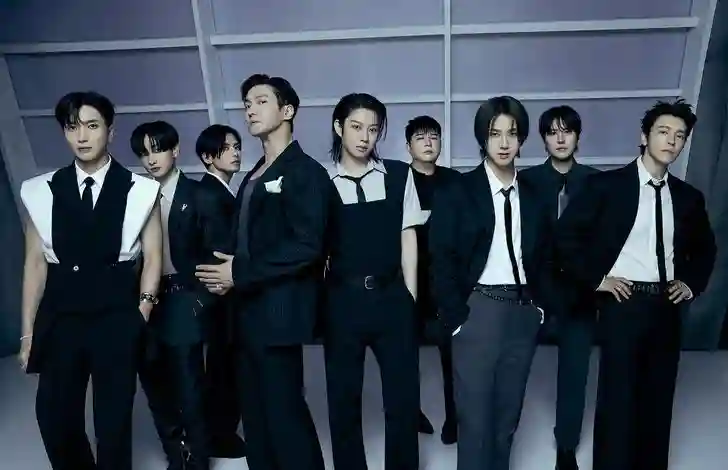
Debuted in 2005 under SM Entertainment, Super Junior gained widespread popularity after its “Sorry, Sorry” track, which turned out to be a global hit. They have a unique subunit system, as it allows the members to explore different musical styles rather than sticking to a single one. The group has played an important role in spreading K-pop across Asia, in China, and in Southeast Asia. The members are known for their humor and unique show presence every time.
SHINee

SHINee, which is recognized as one of the most innovative groups in the K-pop industry, debuted in 2008 under SM Entertainment, which quickly gained attention for its experimental sound and fashion setting. The group is regarded as the princess of K-pop, due to its characterized style and creativity, and sets the standards high for newly emerging groups.
TVXQ
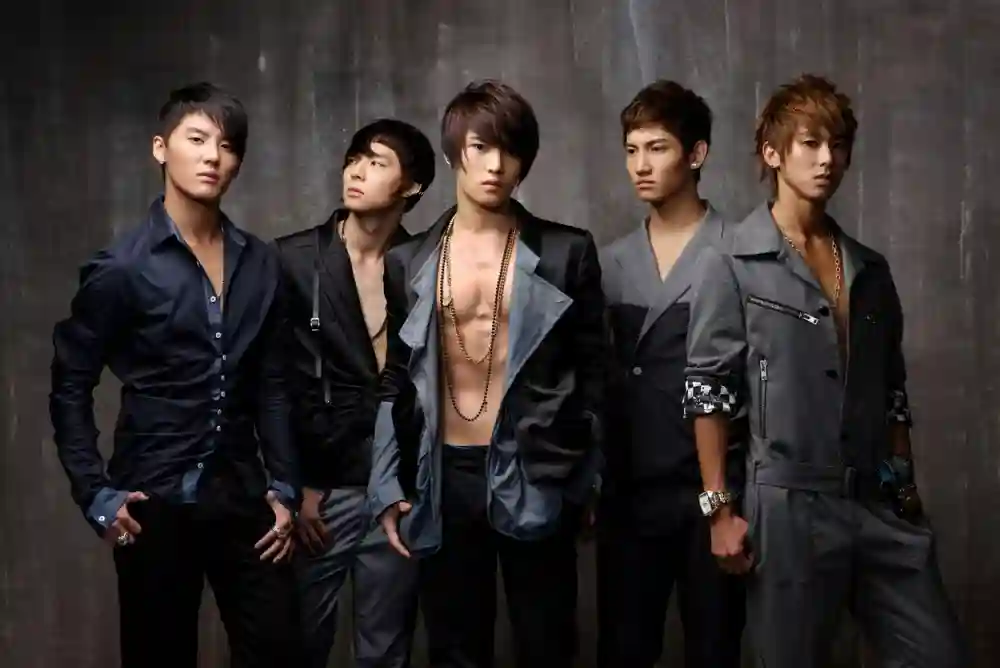
Next comes TVXQ, who debuted under SM Entertainment in 2003 and became an innovative group in K-pop history, particularly in the Japanese market. TVXQ gained fame for its powerful vocals and well-polished performances that it delivers. After the lineup changes, the duo continued to achieve massive success, setting new records for concert performances.
For You: BTS Arirang Sets New Record, Selling 4 Million Copies in Just 3 Days
SEVENTEEN
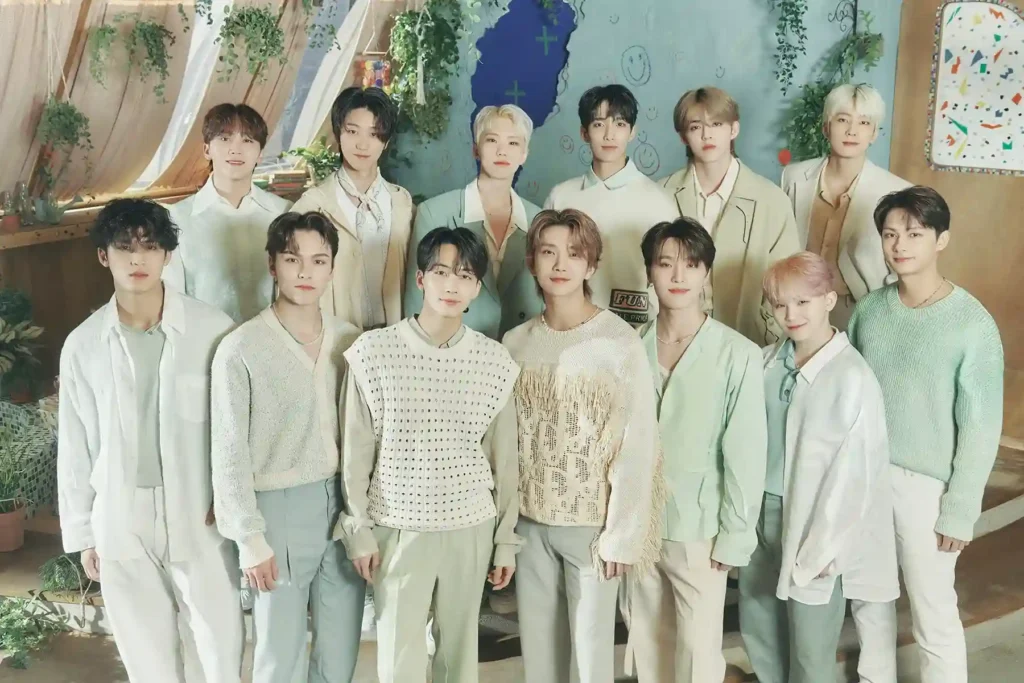
SEVENTEEN, formed under Pledis Entertainment in 2015, stands out as a self-producing group, which is active and consistent in songwriting, choreography, and production. The members gained recognition for their synchronized performances and the balance that they maintain between emotional storytelling and high-energy tracks, which the audience finds appealing. The dedication and teamwork with a strong fan base contribute to their global success.
Iconic Influencers (11-20)
The top tier built the K-pop industry, but the following iconic influencers reinvented it through new concepts and challenged norms.
2NE1

Debuted in 2009 under YG Entertainment, formed its place with its cute and innocent styles, which blended hip hop, electronic, and pop elements. Despite their music, the members redefined the beauty standards within the industry.
Wonder Girls

This group plays an important role in the history of the K-pop industry, representing early global expansion. Its tracks were a massive success, like “Nobody,” a retro-inspired hit that became the first K-Pop song to enter Billboard Hot 100. They made an early attempt to get into the Western market.
For You: Min Hee Jin vs ADOR: All Details, Explanations, And More
Red Velvet

Debuted under SM Entertainment in 2014, Red Velvet quickly became successful in gaining attention for its versatility in music and unique concept. The concept that sets red velvet apart is its dual-nature system. The “Red” side shows the group members’ bright and energetic personality in their tracks, like “Red Flavor” and “Dumb Dumb.” The “velvet” side shows the group members’ darker and more mature personalities in their releases, like “Psycho Bad Boy,” etc.
GOT7
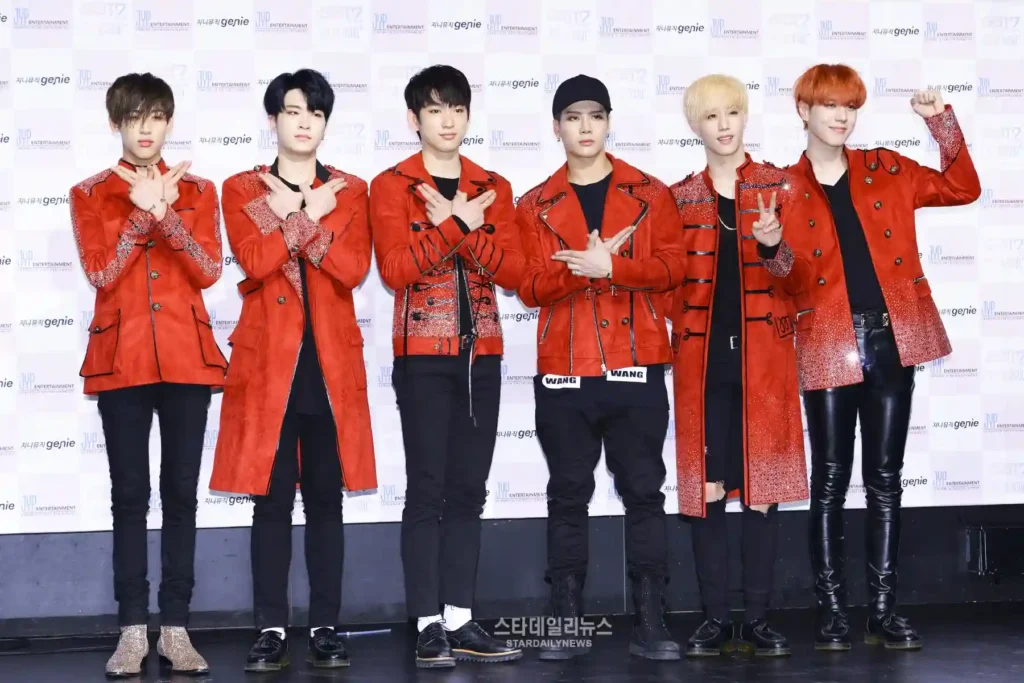
Debuted under JYP Entertainment in 2014, GOT7 eventually built a strong international fan base through its strategic fan engagement. The group combines hip-hop and dynamic influences, which made it possible to gain popularity across Asia, Europe, and America. It reflects artists’ autonomy perfectly, as even after leaving the group, members pursued solo careers while maintaining the group’s identity.
Stray Kids
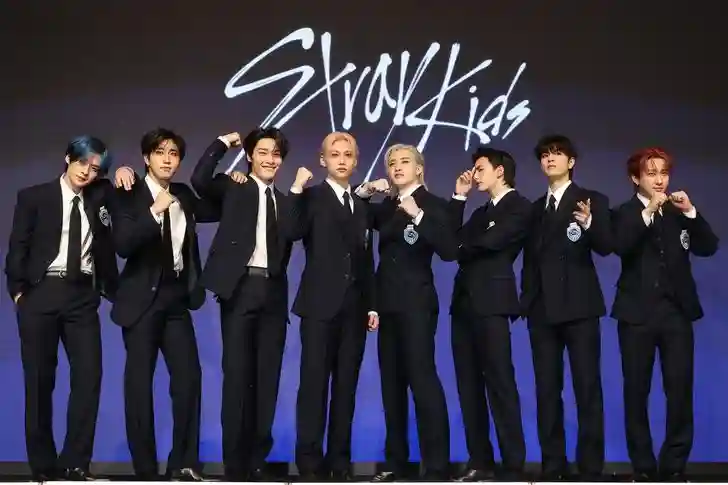
Among the rise of self-producing idols in the 4th generation comes Stray Kids, which debuted under JYP Entertainment in 2018. The group was formed through a survival show and built a powerful Global fanbase in K-pop. Their music is about unique themes, pressure, and resilience, strongly resonating with the younger audience. Stray Kids is often regarded as the leaders of the 4th generation.
For You: Court documents unfold ILLIT’s alleged plagiarism of NewJeans
NCT

Debuted under SM Entertainment in 2016, NCT is one of the most innovative concepts in history. It has a limitless group structure with rotating subunits, each targeting different markets. Due to its multi-subunit approach, it has effectively maintained global engagement. Musically, it is known for its experimental sound and blending genres in unique ways.
MONSTA X
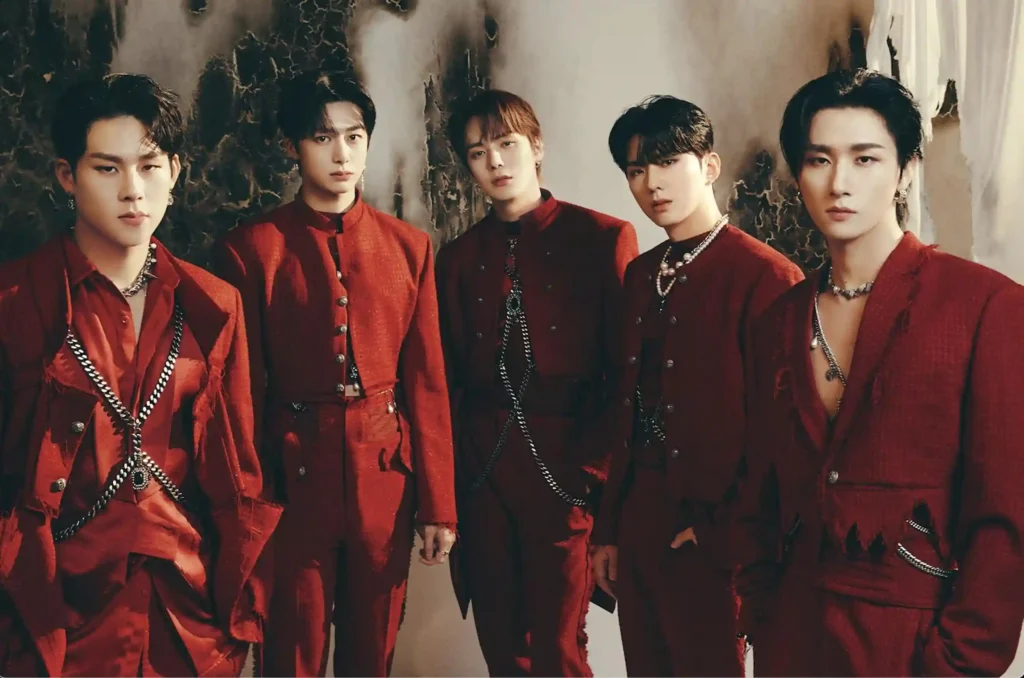
Next in the list is MONSTA X, which debuted in 2015 under Starship Entertainment. It gained recognition for its powerful performance style and international fame. This is an exception, as the members know beautifully how to blend hip-hop, EDM, and pop while creating a high-energy identity. The group successfully made its place in global markets by releasing English-language albums and collaborating with Western artists to solidify an international fanbase.
KARA
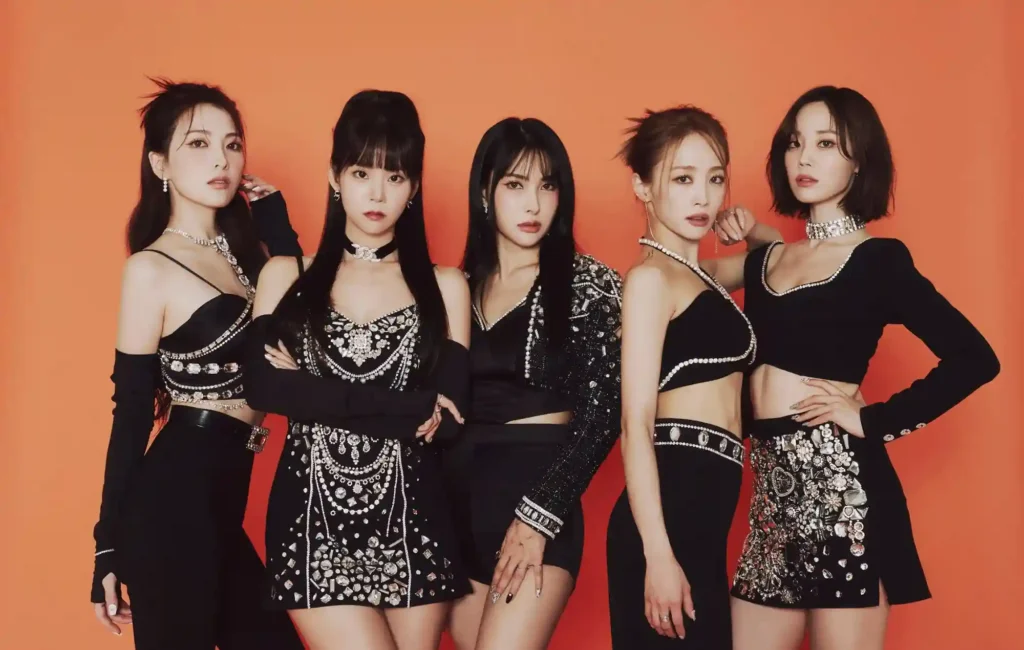
KARA, by debuting in 2007 under DSP Media, played an important role in expanding K-pop presence in Japan. Due to its adaptability skills and international music, the group effectively contributed to the K-pop wave (Hallyu) and achieved massive success through its influence. Their influence remains remarkable in how groups approach the overseas markets today.
INFINITE

INFINITE was formed in 2010 and came to be known for emotional melodies, powerful vocals, and lyrics that resonated deeply with the fans. They set the standard for synchronized choreography in the K-pop industry. They were deeply dedicated to perfection, which allowed them to set standards across the industry.
For You: The Rise of 4th-Generation K-pop Groups: What Makes Them Different?
2PM

Debuted in 2008 under JYP Entertainment, 2PM. Influenced male idol concepts. It is one of those groups that redefined masculinity in the industry with their strong and athletic image. They produced music that was a combination of catchy hooks, powerful choreography, and a distinctive identity. The group helped to broaden K-pop’s stylistic range.
Global Power Players (21-30)
ENHYPEN

Formed through the survival show 1-LAND and debuting in 2020 under BELIFT LAB, the group represents the rapid globalization of the fourth-generation K-pop industry. It established a strong international presence as it created a cohesive narrative across albums.
TXT

TXT (Tomorrow X Together), which first debuted in 2019 under Big Hit Music, quickly formed a distinctive identity through its discography, which clearly reflects musical versatility. Its strength lies in its unique storytelling capability and larger narrative.
ATEEZ
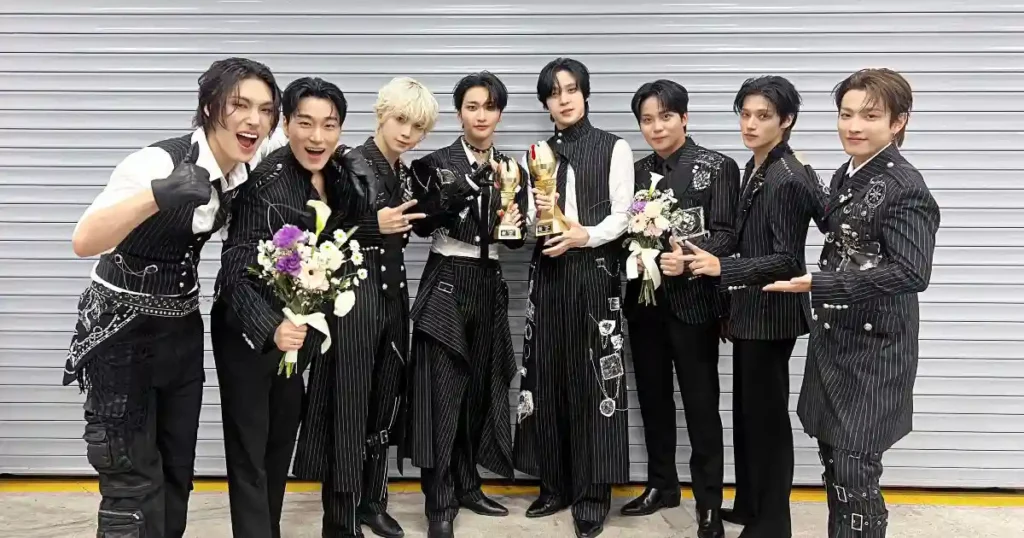
Debuted on October 24, 2018, under KQ Entertainment, ATEEZ consisted of 8 members. They made their debut with the EP Treasure EP. 1: All 20 managed to gain recognition for their stage presence and unique musical concepts. Through their hard work and persistence, they continued to grow, which is reflected in their million-selling albums and Billboard chart entries
ITZY

Another in the list includes ITZY, a defining girl group of the fourth generation. Under JYP Entertainment, it quickly gained its recognition after the debut track “DALLA DALLA,” which promotedself acceptance. They have a consistent chart performance and a strong digital presence.
For You: Top 10 K-pop Idols with the Strongest Stage Presence
(G)I-DLE

Debuted in Cube Entertainment in 2018, (G)I-DLE stands for being a creatively independent girl group in the K-pop industry. Their music is a source of diverse concepts, ranging from powerful anthems to resonating storytelling.
Aespa

Debuting in 2020 under SM Entertainment, aespa is the best example of the integration of AI elements into storytelling and an evolving approach to innovation. The group’s global success highlights concept-driven content, which allows it to break boundaries in the K-Pop industry to what it can be.
IVE
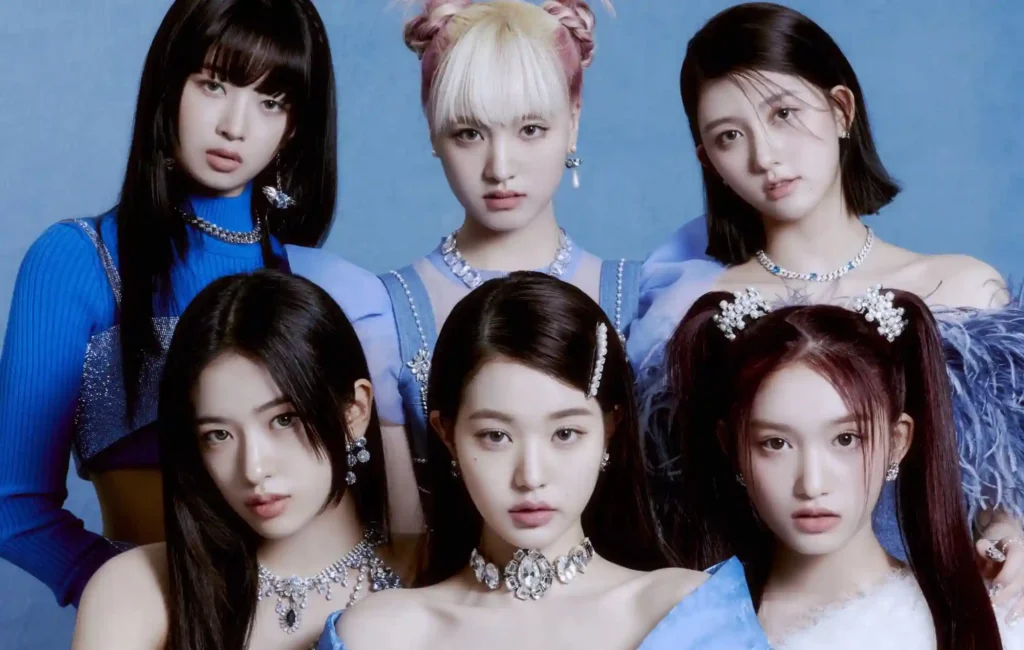
IVE is one of the most dominant fourth-generation girl groups, which debuted in 2021 under Starship Entertainment. Its tracks like “Love DNE” and “I AM” achieved quick chart success through polished production and memorable hooks.
NewJeans

Debuting under ADOR in 2022, it quickly gained attention for its Y2K-inspired sound with contemporary K-Pop aesthetics and a minimalist approach. As their strategy resonates with a global audience, their approach has proved to be highly effective.
LE SSERAFIM

Under Source Music, LE SSERAFIM debuted in 2022. It built a global fanbase quickly with it’s performance focused releases, resilience, and ambition. Musically, it always resonated across cultures through storytelling.
Wanna One

Formed through Produce 101 season 2 and debuted in 2017, Wanna One remains one of the most successful groups. It has strong fan engagement and widespread popularity, even though its contract was limited. It highlights how temporary groups can leave a lasting impact on the industry
Cult Favourites and Industry Shapers (31-40)
VIXX

Debuted in 2012, VVIX is recognized widely for its pioneering concept-driven storytelling. Their darkness, the article’s themes, incorporating fantasy and horror elements, sets it apart from the rest. They elevated a strong artistic identity beyond mainstream trends.
BTOB
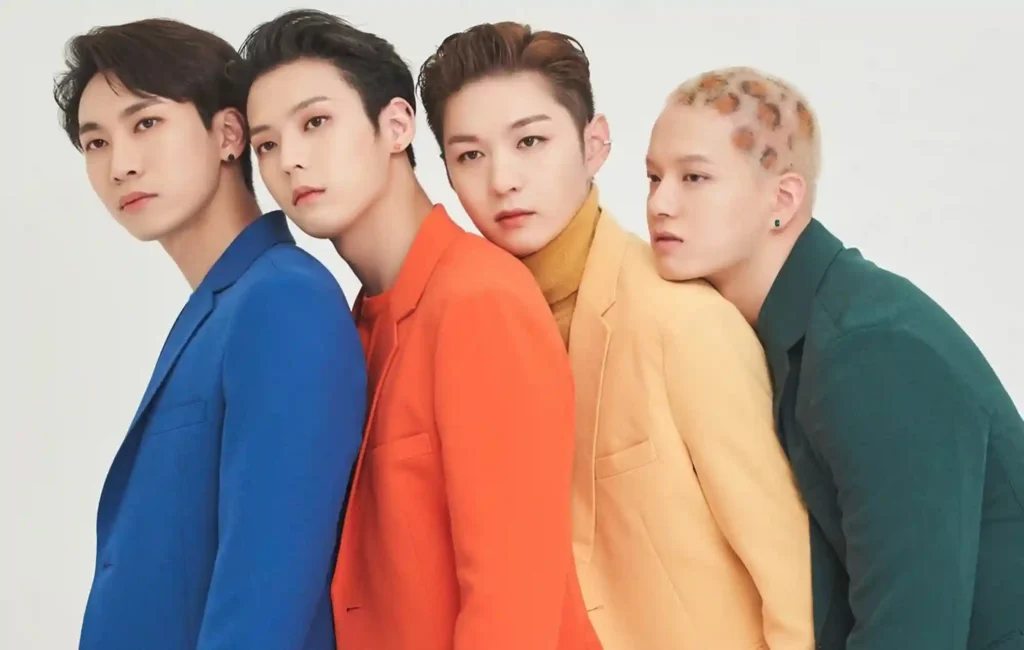
Through its unique niche, emotional depth, and vocal excellence, BTOB, formed under Cube Entertainment, built a strong connection with the audience. It mainly focuses on ballads and soulful music that is relatable and heartfelt.
Apink

Apink debuted in 2011; it is the best example of showcasing a transition from youthful innocence to mature elegance. Initially, the group gained attention due to its cute concepts. Their transition and adaptability skills let them stay strong in this competitive industry.
For You: Top 10 K-dramas to watch this weekend
Girl’s Day

One of the known girl groups, Girl’s Day, debuted in 2010. It plays a crucial role in popularizing confident concepts in the K-Pop industry. Their track “Something” showcases their defined image, which includes a catchy melody and strong visuals, so it can engage a broad audience.
SISTAR

SISTAR, known as “Summer Queens” due to their consistent releases, earned huge fame due to their seasonal marketing strategies. Their catchy hooks, refreshing visuals, and upbeat tracks made them dominate charts easily.
GFRIEND

GFRIEND successfully gained recognition for its emotional storytelling skills and intense choreography. The members combined their performances with their emotional music, creating a distinct identity. Their unique identity sets them apart in the industry.
IZ*ONE

One of the globally successful groups formed through Produce 48 includes IZ*ONE, which was first debuted in 2018. Through its music, blend of elegance, and energetic performances, it achieved strong album sales and a wide audience.
For You: Who is the most Handsome K-pop Idol in 2026?
SF9
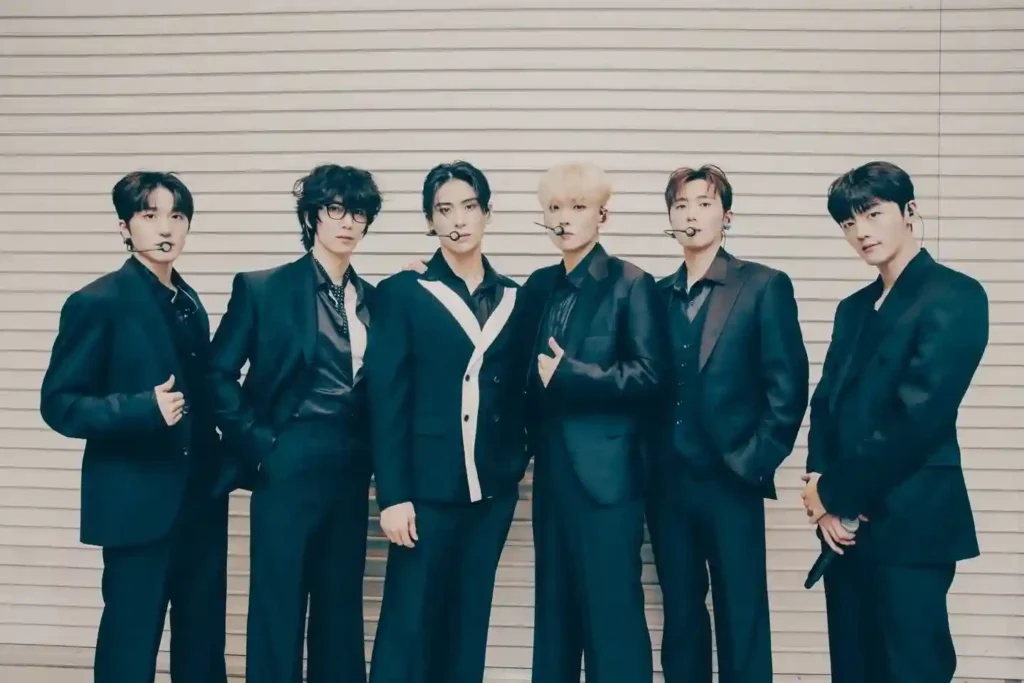
Debuted in 2016 under FNC Entertainment, SF9 represents versatility while balancing acting, music, and performance in K-pop. The group’s members are seen actively participating in dramas and shows, which reflects adaptability.
TREASURE
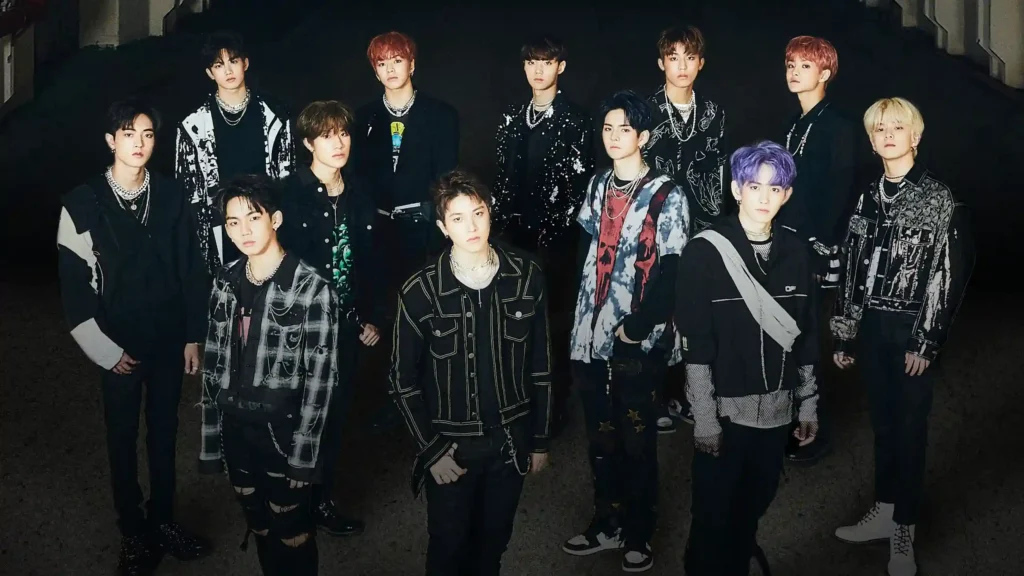
The group represents the upcoming generation of YG Entertainment. It was debuted in 2020, combining youthful energy with high- energy performance-driven music. Its global fanbase reflects how companies, by refining their approach, can build a strong international appeal.
BOYNEXTDOOR

BOYNEXTDOOR first debuted in 2023, representing the emerging fifth generation of the K-pop industry. The main focus of the group is on relatable storytelling and delivering resonating concepts and everyday experiences while creating a strong connection with the younger generation.
Rising Legends and The Future (41-50)
ZEROBASEONE
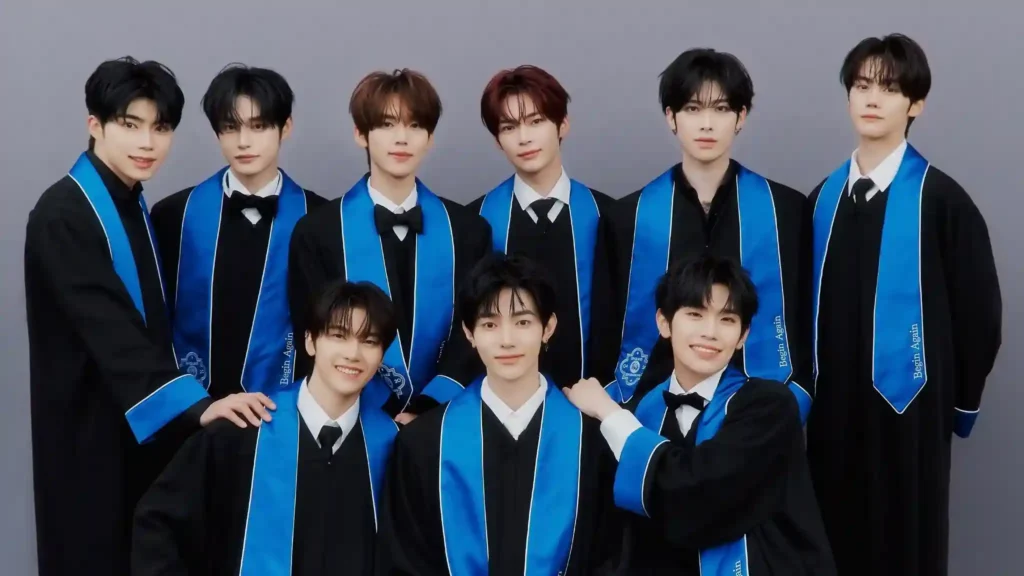
Formed through the survival show Boys Planet and debuting in 2023, the group reflects the modern evolution of the K-Pop industry. The group knows how to perfectly blend contemporary pop with emotional themes appealing to a wide audience. It is the best example which highlight how survival shows have become powerful platforms for launching globally competitive acts.
For You: Netflix drama Boyfriend on Demand, Blackpink Jisoo shares her dating style and choices
RIIZE
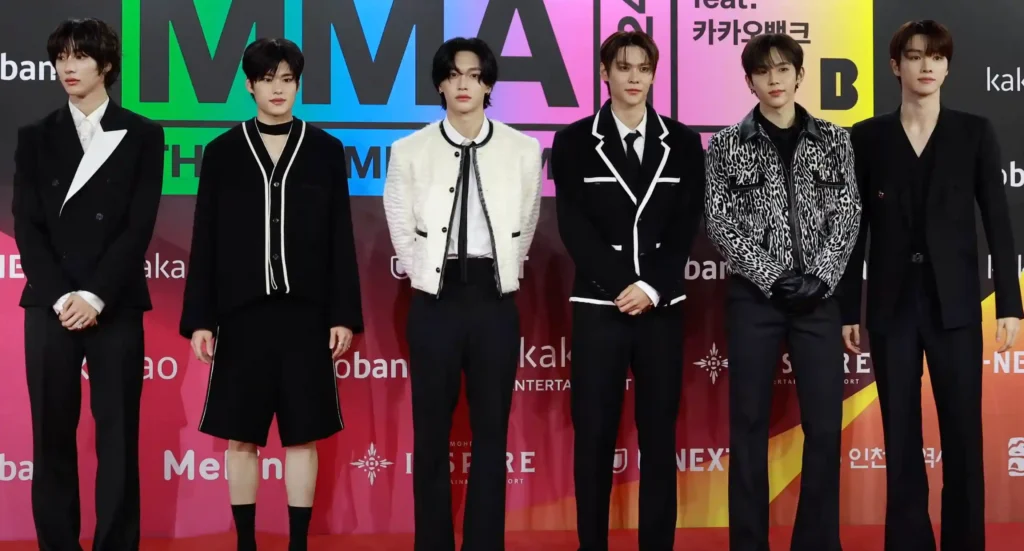
RIIZE forms SM Entertainment’s next-generation strategy by focusing particularly on emotional storytelling and real-time growth. It was debuted in 2023 by introducing authenticity and personal experiences. Due to its branding strategies, it has appealed to domestic and international audiences.
BABYMONSTER

One of the most loved girl groups includes BABYMONSTER, which debuted in 2023 under YG Entertainment, drawing quick public attention. It is known for members’ unique and distinct pre-debut training and performance skills. As it consists of a multinational lineup, they are globally well-positioned.
NMIXX
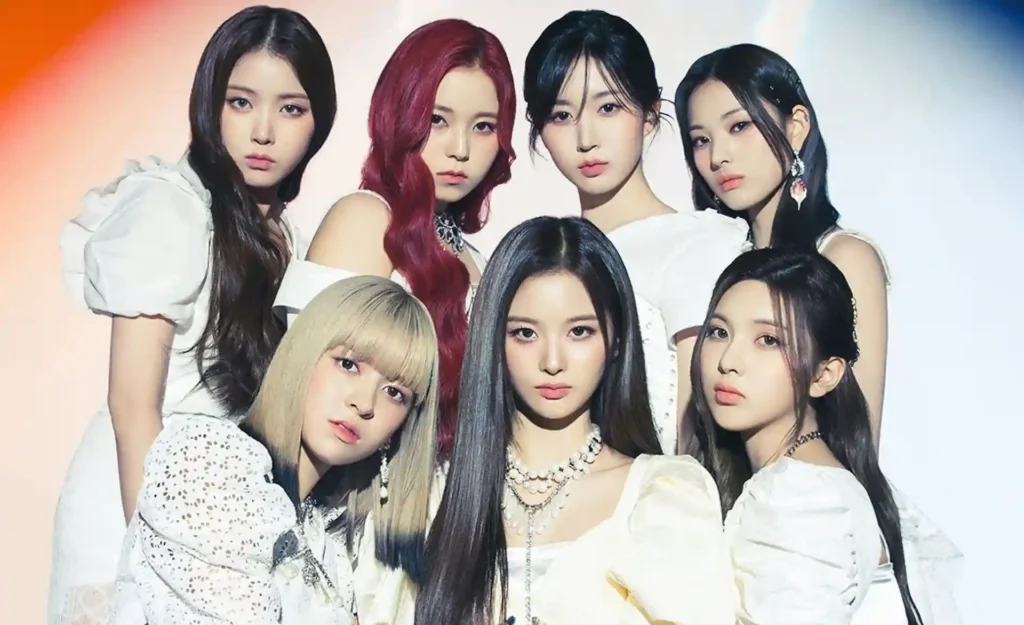
Debuted under JYP Entertainment in 2022, NMIXX stands out for its experiments with music. The members have strong vocal abilities and a willingness to emphasize music along with experiments. They have earned a unique group identity, which is the result of risks that they take in order to present something exceptional.
Kep1er

Kep1er is a global girls’ group formed through the survival show Girls Planet 999. This group was first debuted in 2022, and its diverse lineup and global voting system became key reasons for grabbing instant attention. Their music is a perfect mixture of energetic pop and performance-focused choreographies.
For You: Top 10 K-pop Idols Transformations
TWS
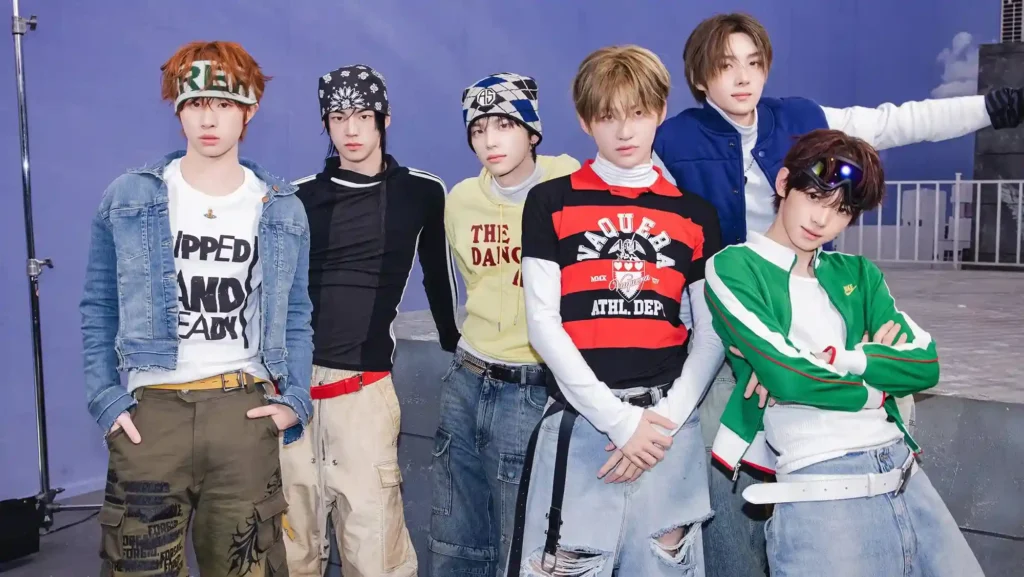
TWS, which debuted under Pleiades Entertainment, represents the fifth generation, where youthfulness and emotional relatability are emphasized. The members focus on and encourage themes like friendship, growth, and everyday life experiences. They are famous for their genuine emotional appeal.
ILLIT

ILLIT is formed through a survival show under HYBE labels. It is a rookie group that reflects minimalism and aesthetic branding. It delivers consistent fresh content with a cohesive visual identity, allowing it to quickly attract attention. The group also highlights how visual storytelling and branding play an important role in success.
EVERGLOW
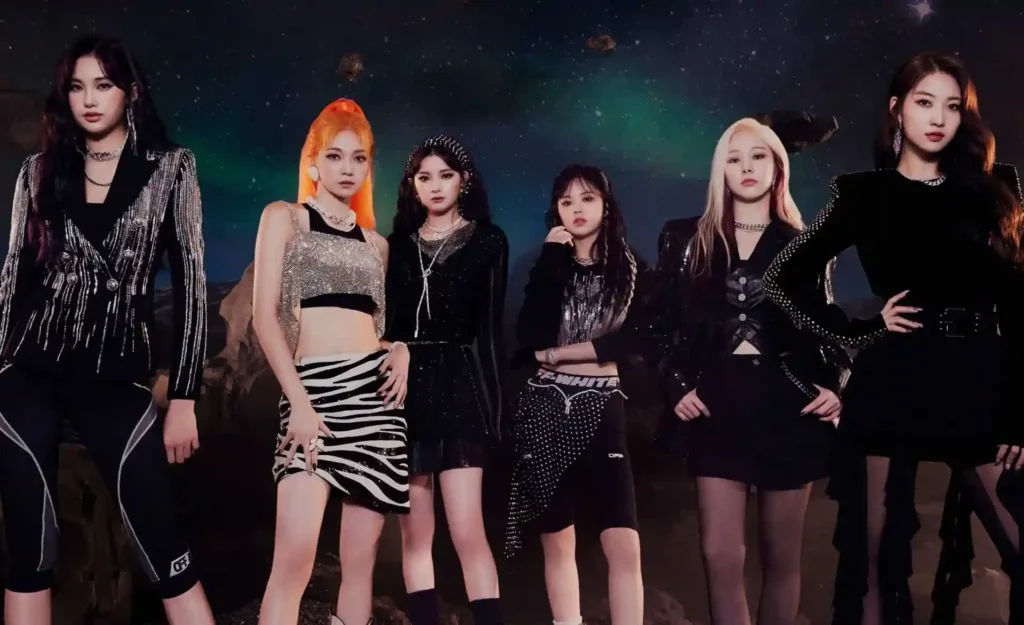
Debuted under Yuehua Entertainment in 2019, this group gained instant attention through its track “DUN DUN,” including strong stage presence and intense choreography. As best suited for the global audiences, their music blends EDM and pop.
LOONA

One of the most innovative groups of the time includes LOONA. Before the group debuted officially in 2018, each of it’s member was introduced through solo releases. Apart from facing management issues, the group members managed to build a global fanbase by adopting creative pre-debut strategies. Its legacy is in innovation and storytelling.
For You: Top 10 K-pop Plastic Surgery: Before and After
Dreamcatcher

This K-Pop group has a unique position due to it’s rock inspired music. First debuted in 2017, Dreamcatcher built a dedicated fanbase from its mainstream trends, which blended the elements of metal and alternative rock. It reflects that K-pop is not limited to a single sound.
Closing Note: The Enduring Power of K-pop Legends
The journey through the Top 50 K-Pop Groups of All Time shows that it’s not just about rankings; it’s about how K-pop slowly grew into a huge global culture. Groups like BTS and BIGBANG built the base, while newer groups like NewJeans and Stray Kids are taking it forward in their own style. What makes K-pop special is how it mixes strict training with creativity, so artists can keep trying new things and stay fresh. As time changes and new trends come in, these groups have created a strong base for the future. Because of them, K-pop will keep growing, inspiring people, and connecting fans from different parts of the world.
Frequently Asked Questions
Who is the greatest K-pop group of all time?
BTS is considered the best and most impactful K-pop group of all time due to their global domination, record-breaking Billboard success, and role in initiating the “K-pop invasion” in the West. They consistently ranked first in brand reputation and hold many music show wins.
Are Saja boys bigger than BTS?
Saja Boys topped the US Spotify chart; this makes them the highest-charting male K-pop group in US Spotify history, surpassing the kings of K-pop, BTS.
Is Aria an Indian?
Yes, Aria (Gauthami) is Indian, born in Kerala; she is recognized as the second Indian K-Pop idol to debut.
Who are the 7 kings of K-pop?
The “7 Kings of K-pop” most commonly refers to the seven members of the global superstar group BTS, namely, RM, Jin, Suga, J-Hope, Jimin, V, and Jungkook.
Who has a black card in Korea?
BTS members, G-Dragon, and the top 0.05% of earners have black cards.