TVXQ Slave Contract: 2009 was not just a normal year for the K-pop industry, as it brought something drastic whose influence is still visible in the industry. The year was followed by a major legal battle between some members of TVXQ, one of the biggest and most famous groups of Asian pop music, and SM Entertainment, a multi-billion-dollar company. During this time, TVXQ was rising to its peak not only as a successful group but also for influencing their culture by expanding its reach across Asia, particularly in Japan.
The lawsuit between the members and the agency, often termed a “slave contract,” emerged into something bigger as it exposed a broader structure and management issue and K-pop’s business. The issue marked a major turning point in the industry for members as well as the agency, SM Entertainment. Let’s have a look at a clear picture of what actually happened because a mix of reports, multiple narratives, and fandom theories made the matter more complex.
Table of Contents
Who is TVXQ: History
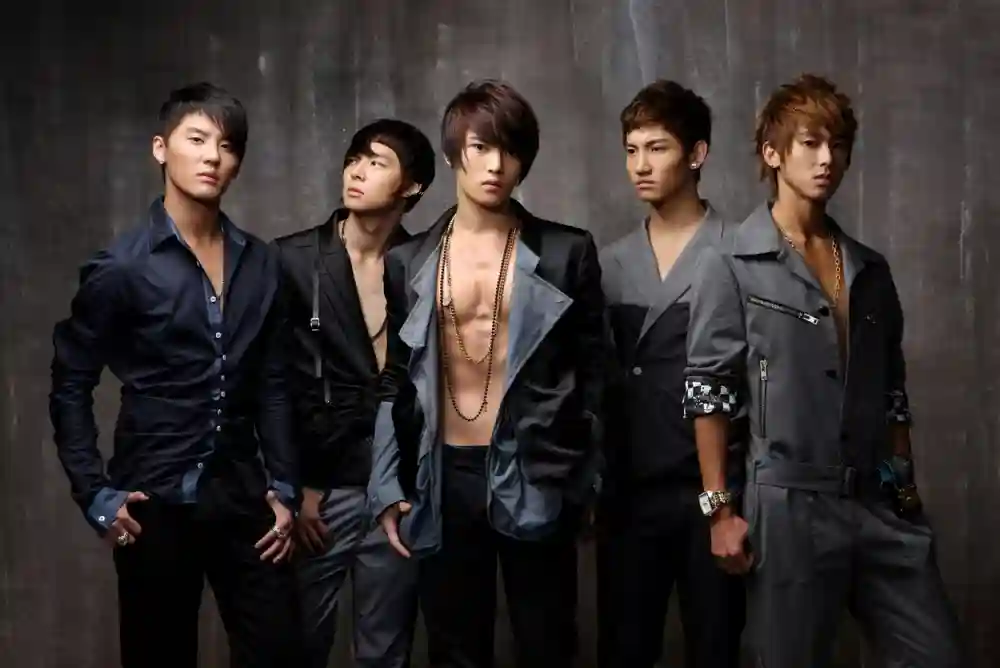
TVXQ, also known as Tohoshinki, was formed in 2003 as a five-member South Korean boy band under SM Entertainment. The members included Hero Jaejoong, Micky Yoochun, Xiah Junsu, Max Changmin and Yunho, who made their first release in 2004. “Hug,” just after their first four album releases, found the group receiving chart-topping success in the Korean industry. Through their vocal abilities and energetic and strategic performances, they became the first to influence the Japanese music market and encourage Korean waves.
With their “O-Jung.Ban.Hap” album, TVXQ entered the Korean charts and held a top position, and they became a best-selling record in 2006. Eventually, the group split, and only two of them came back representing TVXQ once again. On April 27, 2025, the duo held a fan meeting and greet event to celebrate their 20th anniversary. TVXQ’s artistry became known for experiments as the genre supported by them was a mix of orchestral pop, hip hop, R&B, and rock.
TVXQ’s Legacy And Unparalleled Popularity
TVXQ mattered a lot to the Korean, Japanese, and international audiences for the group’s ability to deliver higher-quality live performances, energetic and synchronised dance choreographies, and stylish and you need music videos. After their debut, the group quickly became prominent in the music industry and bro Western barriers. The group member came to be known as the first South Korean artist to receive attention internationally.
Later in the year 2007, many news outlets referred to them as “K-pop legends” and “K-pop royalty.” Their influence has gone beyond music ever since they became the key pillar for K-pop evolution and expansion to the rest of the world. The idol group got many assertions, like the goal of an ideal group, a blueprint for global idol expansion, K-pop’s legends, etc. Forbes included them in the list of the 40 Korean power celebrities. Even their fan club, Cassiopiea, marked its place in the Guinness Book of Records as the world’s largest fan club after the company spotted more than 800,000 members in it.
As of now, no one has broken this world record. By 2009, TVXQ’s success was at its peak, they were rising above everyone with their hit after hits And occupying a solid place in the K-pop industry. This high-level success was an indication of generating higher revenue income, rising Expectations of the audience, and a more hectic, tough schedule of the members.
For You: Corporate Conflicts in the K-pop Industry
The Contract System: Why It Is Called “Slave Contract”
Beyond the success, legacy, and popularity lies a complex industrial contract system, often referred to as a “slave contract.” The contract is the core aspect of the business that runs behind screens, behind what the audience actually sees. It is a long-term contract between idols and agencies that specifies a proper 10-year period to grow the idols and set them up for their debut. The agency signs a contract with minors of 10 to 12 years of age or older as trainees and spends lots of money on singing, dancing, and vocal ability sessions. Not only this, but the decisions related to their personal lives, health, schedules, diets, and exercises are all managed by the agencies.
In return for this, after the idols make their debut, they have to repay the cost from 15 to 20% of the share that they receive. Companies treat the idols as their slaves, make high-risk investments in them, and eventually wish to get back the expenditure as soon as the artists’ debut. The K-pop idols really make a profit for themselves even after walking for years and delivering their best to the audience.
This treatment is habitual for singers, dancers, and other K-pop artists from the very beginning of the industry. This is how agencies run. All they want is to develop their training into a highly talented and skilled gorgeous icon with a clean image; even if it includes imposing strict rules or bullying them, most of the agencies do not care. Apart from maintaining an ideal body figure and nurturing their skills, the idols are also strictly expected to stay single and heterosexual, as they can be assessed by the fans of the opposite gender. A famous company, Cube Entertainment, abandoned two of its most successful idols just because they were involved in a romantic relationship.
TVXQ’s conflict with its agency rose in June 2009, which was prominently based on obligations under the contract and other related matters. Three of its members wanted to leave the agency and the group by terminating this strict contract.
TVXQ Lawsuit And Split
Finally, in 2009, someone actually came up and spoke about the harsh contract system that specifies how the K-pop industry works in reality. Three members of the group, TVXQ, namely Hero Jaejoong, Micky Yoochun, and Xiah Junsu, made a public announcement while requesting SM Entertainment to terminate the contracts that they have signed.
This move shocked fans, as the audience did not know what was going on behind the curtains. Since the members always showed themselves happy and abundant on screen, the news that they wanted to quit the group was totally unbelievable. The agency did not let them do so due to the “slave contract,” which said the timeline for the contract is 13 years, and no one can leave the group before it.
Following this event, on July 31, 2009, the trio decided to submit an application related to the matter to the Seoul Central District Court. They wanted a mutual party between them that could determine the validity of the contract and the strict rules implied by the agency. With their lawyers, members claimed the 13-year contract to be excessively hectic, having long schedules which are often laid out without any confirmation or personal opinions of the idol.
For You: How Music Companies Monetise K-pop Idols: The business of K-pop
They even stated that contract terms were extended and modified without any consent or knowledge of the artist. In addition to contract-related conflict, one of them confronted the audience, saying their earnings are not fairly distributed among the members, which raises a major concern. When members wanted to leave the group, they were prevented from doing so as the company said early termination would cost them a penalty, twice the profit the group was supposed to earn that year. Due to these two main reasons, unfair wages and contract extension without any personal consent, a lawsuit began that ordered that all the activities of TVXQ would be stopped until the issue was resolved.
The news became a headline over all the news channels and forums, causing SM Entertainment’s stock price to drop by over 10%. After long hearings, in October 2009, the court gave three members a contract injunction that was temporary, stating the agency cannot interfere in personal individual activities as claimed by the members; it was truly unfair and unjust.
SM Entertainment escalated the matter by calling a press conference in response to this. In the press, the management team defended themselves, claiming the lawsuit is actually about the three members’ greed to hide their profitable cosmetics business from them. A new narrative was set for the audience as the issue moved beyond human rights. The company also filed a complaint dragging their cosmetics company, CreBeau, alleging it to be a part of criminal activities, but the matter was groundless, as believed by the court after investigations. To this, the members respectfully replied and asked SM Entertainment to at least respect the court’s decision.
After the matter went public, fans started raising their voices against the long-term contract, lashing back at the agency. Approximately 120,000 fans filed a petition against the company in the civil district court. In addition, TVXQ’s fan club, Cassiopeia, also filed a compensation claim for cancelling the SM Town Live concert, which was to be held as planned. But it was cancelled a week before. On April 3, 2010, a Japanese entertainment company, Avex, ended its contract with these three members of TVXQ and suspended them. When it was time for the group to rise again, it surrounded itself in the centre of legal disputes and lawsuits that affected both the agency and the members.
Everyone hoped the legal dispute would soon come to an end, but it took three continuous years of discussions and debate between members, the company, and the court to finally come to a conclusion. On November 28, 2012, both sides mutually agreed to withdraw the filed lawsuit and part ways permanently. SM Entertainment claimed the three members’ contract ended on July 31, 2009, and from now on, the agency would not interfere in any of their personal or professional activities.
While for most of the fans it was a moment of grief and sadness, they were happy for the members’ freedom and individual careers now. After a while in the first half of 2010, the trio formed its own group, JYJ, and signed a new contract with Avex as well. The company, on the other hand, claimed that the remaining two members, Know Yunho and Max Changmin, are still a part of TVXQ, as they will continue as a duo and give a new future to the group.
For You: CIX Virtually Disbanded After 7 Years
The Lawsuit Timeline: From Shock to Industry Crisis
July 2009
- Three members, Jaejoong, Yoochun, and Junsu, requested contract termination. The request was denied by their agency.
- On July 31, 2009, the trio filed a lawsuit for the same in the Seoul District Court.
October 2009
- The Seoul Central District Court issued an official statement granting a temporary injunction, allowing the members to pursue independent activities. In addition, all internal activities of TVXQ were stopped, as per the orders from the court.
2010–2011
- Avex abandoned the three members and terminated its contract with them.
- SM filed a lawsuit against the members’ cosmetics company, CreBeau, while announcing the actual reason behind the conflict to be the greed of the trio to hide their personal profits.
- The legal battle intensified after the press came between them. Fans started defending the members and filed 120,000+ legal complaints surrounding SM Entertainment.
- Fanclub, Cassiopeia, filed a compensation claim against the agency and the members as they cancelled a concert a week before.
2012
- A mutual settlement took place between both parties as both decided to drop the lawsuits and part their ways.
- The trio formed its new group, JYJ, and proceeded with its career and new identity.
- A new contract was signed between Avex and JYJ.
- The contracts were terminated; rest two members decided to still work under SM as TVXQ. Both sides decided not to interfere with each other’s activities anymore.
How Lawsuit Led To An Industry-wide Impact
During the time when this incident took place, the usual contract lasted for up to 13 years or more under the companies. The immense training system, including 10 to 12 hours of practice a day, and high-cost investments and expenditures on trainees for 7 to 8 years, clearly describes the logic behind long-term exclusive contracts and high-cost penalties for contract termination. To bring global idols like TVXQ, high-risk investments are made by the agencies in the hope that after their debut, the payment will be returned with profits.
Despite the company’s loss, the lawsuit led to an industry-wide impact all over K-pop, pointing out a major defect in how the business actually runs behind the scenes. Fans really got triggered following the legal dispute between TVXQ and SM Entertainment; the reactions surfaced all over the industry, demanding a more robust relief system for the idols and modification of the signed contracts.
In response, the Fair Trade Commission (FTC) stepped in, announcing a standard contract that includes a limited time period of only 7 years and related improvements in the penalty system. During that time, uncertainty always surrounded the trainees, whether they would make the dispute or not, so they used to sign long exclusive contracts based on the assumption that the expenditure made by the agency on them would definitely lead them to become part of the group and launch them in the industry. As the adjustment was made by the FTC, not only were the idols relieved, but the agency was too.
Since the court ruled to trim contracts and make them adjustable as the parties wish, the system modified and shaped itself into being more flexible for both sides. In fact, more transparency paved its way with new regulations that were added under higher authorities. The case became an example for the rest of the artists and groups facing injustice in the name of contract regulations. Legal awareness was raised among everyone in the industry. Better contract systems were implemented. And major acts were followed to protect the K-pop industry.
Globally, the dark side of the K-pop industry confronted the audience, raising several serious questions regarding labour ethics in entertainment. Fans want fair action to be taken for the same sin, since they don’t want their idols to suffer from mental or physical health issues. The situation impacted the K-pop industry deeply, as well as raised concerns among the audience for artists who work day and night in the entertainment industry.
For You: Top 10 Unexpected K-Pop Disbandments In The Last Decade
The Dual Narrative: Success vs. Reality
TVXQ’s lawsuit against SM Entertainment represents a huge contrast between success and systematic pressure.
| SUCCESS | REALITY |
| Huge fame around the globe | Limited profits and autonomy |
| High revenue generation | A complex profit system, availing a little or no profit to the artists who actually work hard. |
| Polished Image | A long trainee system where idols are treated as slaves and products, followed by intense schedules and zero personal views of their own. |
This duality still defines the industry to date; many of the idols have attempted suicide due to these strict rules implemented on them. Once the agencies hire the trainees or set them to debut, they start ruling them as if they don’t have their own brains to work with. For some, it may be about discipline and patience, but for others, it can lead to serious mental and physical health issues. The strict routines, 10-15+ hour shifts, extremely small chunks to eat, no personal life, and lack of freedom are really exhausting.
Since this is how the K-entertainment industry has been working for years, no one actually raises their voice towards the unjust behaviour and complains, as the artists want a platform where they can share their skills and get recognised by famous and successful companies. Just for being heard and appreciated for their talents that they possess within themselves, even without wanting to, the idols often suppress their emotions, stress, and pressure.
The Success of the Group After Conflict and the Current Situation (2026)
The group returned with its continued activities, comprising only two members, after the conflict, and immediately released their fifth album after a year of hiatus. The album “Keep Your Head Down” was another famous hit in the charts of the Asian markets. The audience supported both the groups equally, JYJ and TVXQ, but comparatively, TVXQ gained a lot of fame and success as a duo. After the duo made their releases in the Japanese music industry with “Tone” and “Time,” their reputation increased immensely, making them the top-tier touring artists of the time.
The Time Tour is referred to as the highest-grossing concert of the time, which gave them the representation of “Kings of K-pop” for making a huge contribution in the industry and influencing in the best way they can to the Korean wave. In 2017, they broke their own record with another live tour performance, “Begin Again Tour.” Eventually, they became one of the most successful groups in the Asian pop music industry by selling over 10 million physical albums and were the first to perform a foreign music act in 2019.
Even the billboard defined TVXQ’s duo as “K-pop royalty,” and they held a 3-day performance on April 27, 2025, at Tokyo Dome to celebrate their 20th anniversary. They are still active as a duo, deciding to launch more music releases and albums for their loyal fans who have supported them in ups and downs. Coming to JYJ, they could never make up like before. Even though the group has not officially disbanded, it eventually ceased its activities in 2023. It is no longer active and producing trio releases, as the members have decided to follow their solo careers.
For You: ZEROBASEONE is ready to disband? Four members to leave the Group
Final Thoughts: A Lawsuit That Redefined an Industry
The legal battle between the trio and SM Entertainment turned out to be more than just a contract dispute. The matter began as an internal conflict, raising questions about the intentions carried by the agency, and members asked for transparency, consents, and fair wages. This highlighted the dark phase of K-pop that often hides behind the entertainment content distributed to the audience.
A normal dispute surrounding contract length, unfair wages, profits, and control shifted the whole narrative, pointing out serious challenges that idols have to face in order to work and earn a livelihood. For many, this was the first glimpse into the difficulties arising in the entertainment industries. Despite being at their highest point, the members of TVXQ felt constrained, highlighting a bigger picture of contrast between public image and the exact reality of life these idols have to fit into. Most importantly, as the FTC participated, it announced several rules and strict actions in favour of artists that made a huge difference in how K-pop functions today.
Frequently Asked Questions
Did TVXQ win their lawsuit?
They were ordered by the court to submit financial records, but they kept delaying court proceedings, and in the end, JYJ gave up on their share of profits and gave up on the lawsuit. They settled for less because they had to think more about their livelihoods, not because they were not winning.
Why did Chen Baekhyun and Xiumin sue SM?
According to reports, Chen, Baekhyun, and Xiumin filed the complaint for several reasons, including the unfair slave contract, which was extended without the suggestions and consent of the members and a lack of transparent monetary settlement.
Why did SM blacklist TVXQ?
SM Entertainment backlisted the group TVXQ for some time as per the court’s ruling after three of its members, Hero Jaejoong, Micky Yoochun, and Xiah Junsu, filed a lawsuit against them, alleging the agency of unfair profit distribution and the excessive contractual length of 13 years.
Which K-pop group lost the lawsuit?
ADOR has lost its entire legal team in a most talked-about ongoing 43 billion won lawsuit against former NewJeans member Danielle, her mother, and former ADOR CEO Min Hee-jin.