In the last few years, K-pop groups have become very popular and changed what it means to be an idol in the digital age. When discussing K-pop generations, the 4th-generation refers to artists who gained fame roughly between 2018 and the early 2020s. These groups have transformed the K-pop industry. What exactly makes 4th-generation K-pop groups so different from earlier K-pop generations? Let’s explore the key characteristics behind it in this article.
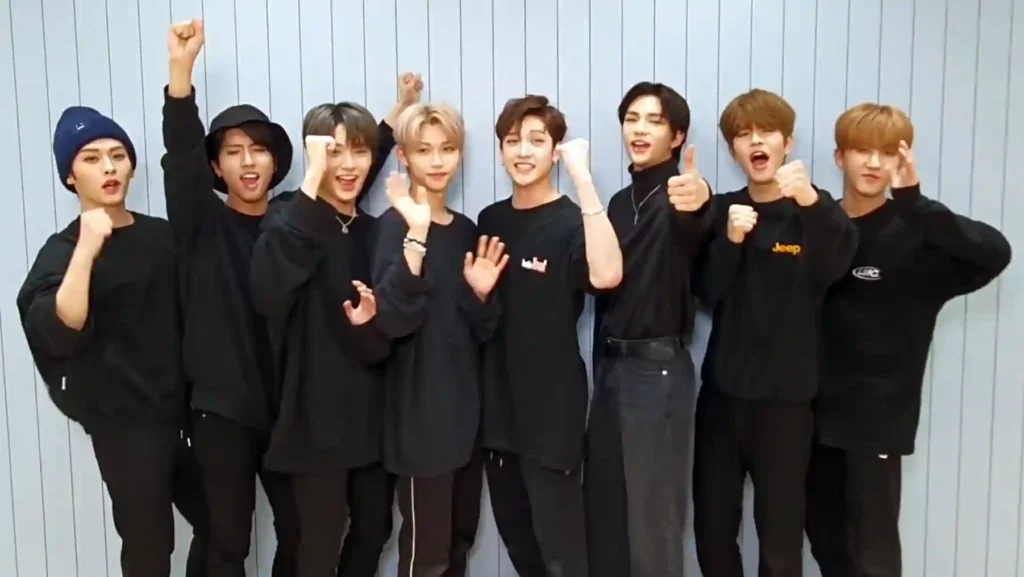
Table of Contents
What are 4th-generation K-pop groups?
We should first identify which 4th-generation K-pop groups exist and what makes this generation different, before we try to figure out why they are getting more popular. As we talk about the fourth generation K-pop groups, the generation mainly started in 2018 and early 2020s, and artists falling in this range are known as 4th generation artists. In short, these are new K-pop groups that have come out since the peak of the third generation of stars.
Some of the popular examples include:
- Stray Kids
- ITZY
- TXT
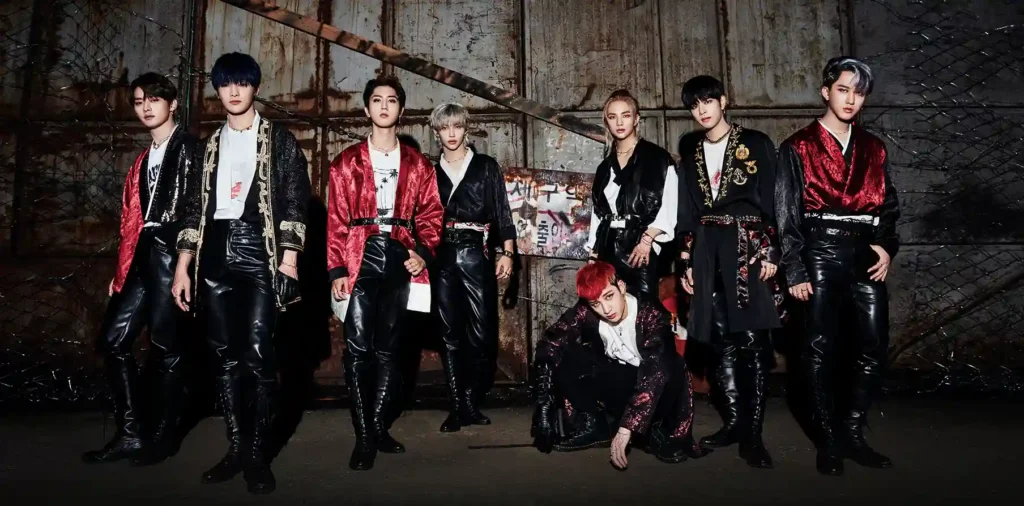
- ATEEZ
- NewJeans
- Aespa
These 4th-generation K-pop groups stand out among all because they were built for a global audience from the very beginning, unlike earlier idols.
For You: ITZY Chaeroyeong Suffer Wardrobe malfunction on stage: what happened, similar cases
Global Strategy driving K-pop popularity
One of the most important things that sets these K-pop groups apart is their global first mindset. From the start, these groups were meant to appeal to people from other countries. These groups have helped K-pop become more popular around the world by releasing songs with English lyrics, international collaborations, and going on world tours early in their careers.
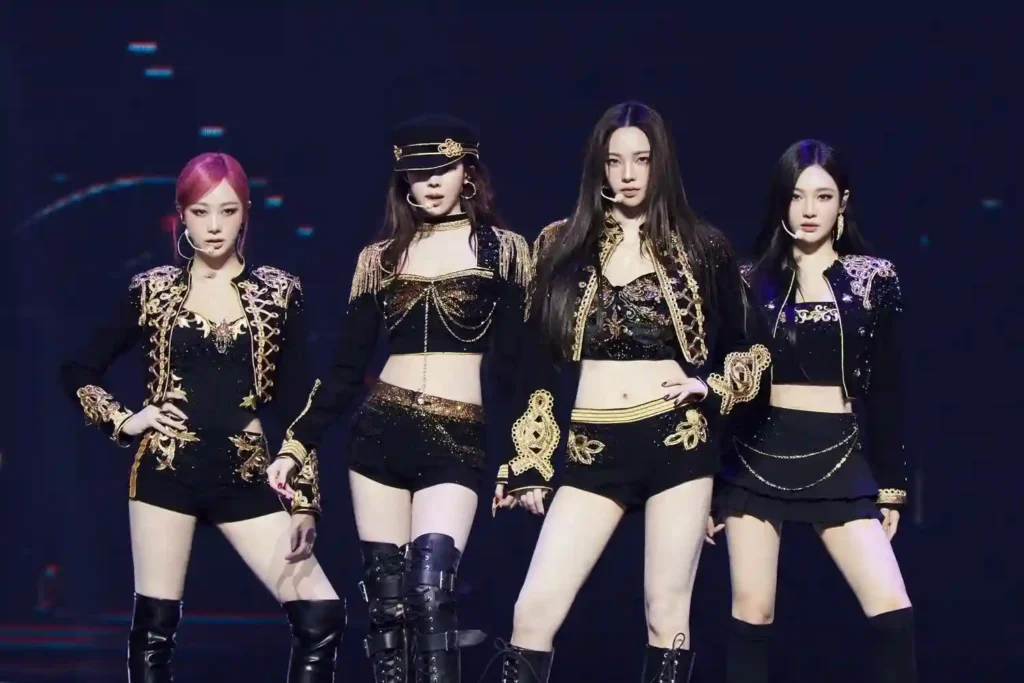
Earlier in South Korea, getting popular in the K-pop industry was the first step, but new K-pop groups now aim for worldwide recognition instantly. And somehow they are winning. For instance, NewJeans rose to success in a matter of months after debuting with a fresh concept and global appeal, along with native.
Performance as a defining identity of K-pop
Performance is a defining characteristic of 4th-generation K-pop. The 4th generation K-pop performances have undergone an impressive transformation, which includes dynamic choreography, synchronisation, and a unique stage presence. K-pop groups such as ATEEZ and ITZY have built their reputations on their potent stage presence and dance routines. The music is just the beginning; live shows, dance practice videos, and performance clips are equally important for how K-pop groups engage with their audience.
For You: ENHYPEN received backlash from fans due to the sudden cancellation of the online event
Social Media and Gen Z K-pop Fans
Next up in the line is fan interaction, which is one of the biggest features shaping K-pop today. 4th generation K-pop groups stay closely connected with their fans through social media as the idols take out time for livestreams and behind-the-scenes moments.
The K-pop groups maintain constant communication, and fans feel seen and valued; this turns casual listeners into their loyal supporters. Instead of just watching from a distance, fans feel like they are part of the journey, growing alongside their favourite artists at every step of the way and moment. This digital engagement has been a key reason for K-pop’s global popularity, which allows new K-pop groups to build massive fanbases in such a short time.
Intense competition
Another key reason that led to the rise of 4th-generation K-pop groups is intense competition in the K-pop industry. This competition leads to better production quality, more creative ideas, and faster global growth, which keeps up with the newest K-pop trends. This means that there is always something exciting going on for fans, and the industry never seems to get old.
Multi-talented Idols and K-pop groups
New K-pop groups have so much talent that it feels more dynamic than ever before. In the past, idols usually had clear roles in their groups, like being the main singer, lead dancer, or rapper.
But this is not the case in 4th-generation K-pop groups; they are members who can do a bit of everything. It is common to see idols in these groups who can sing, dance, rap, help produce music, and even create their own content for fans.
This makes performances feel more real and well-rounded and also allows them to express their individuality more freely. A great example is Stray Kids, who are known for being deeply involved in producing and writing their own songs.
For You: Aespa Winter to I-DLE Minnie: K-pop Idols who got Injured at MAMA Awards 2025
Why are 4th-generation K-pop groups more dominant today?
The success of 4th-generation K-pop groups didn’t just happen by chance; in reality, it is the result of different powerful factors coming together at the right time.
- These groups are built with a strong global mindset, which further aims to connect with fans across different countries and cultures.
- Their performance style is another major reason behind their rise. They perform with high-energy and detailed choreography, trying something new every time.
- They stay highly active on media and use social media and digital platforms to keep fans engaged, so they can also feel involved in their journey.
All of the elements discussed in the article have reshaped K-pop’s global popularity, which sets new standards and pushes the industry in exciting new directions.
What’s Ahead for Fourth Generation K-pop Groups
The rise of 4th-generation K-pop groups opens a new chapter in the industry. With the global outlook, performance-driven approach, and innovative concepts, they are redefining what it means to be a K-pop idol. These artists are not just keeping up with trends; they are trying their best to set them and grow more.
Their approach towards the industry as well as towards the fans is creative, and it has been shaped in such a way that they can reach everyone globally. From unique concepts to powerful performances, they continue to push boundaries and redefine what K-pop can be. Gen Z fans play such a huge role in supporting and promoting their favourite idols through fan pages and several other methods.
Frequently Asked Questions
Who is the fourth generation of K-Pop?
The fourth generation K-pop groups include popular names like Stray Kids, TXT, ITZY, Enhypen, Aespa, and more. The fourth-generation K-pop groups have a major focus on international markets and audience.
Who is the IT girl of the 4th gen?
Aespa Karina and IVE Jang Wonyoung are popularly known as the “IT girls” of the fourth-generation of K-pop. This is because of their immense popularity across the global fan order, multiple brand deals, and stage presence.
Who is the oldest K-pop idol in the 4th gen?
VANNER Taehwan is considered the oldest fourth-generation K-pop idol, born in 1994 and debuting in 2019.